

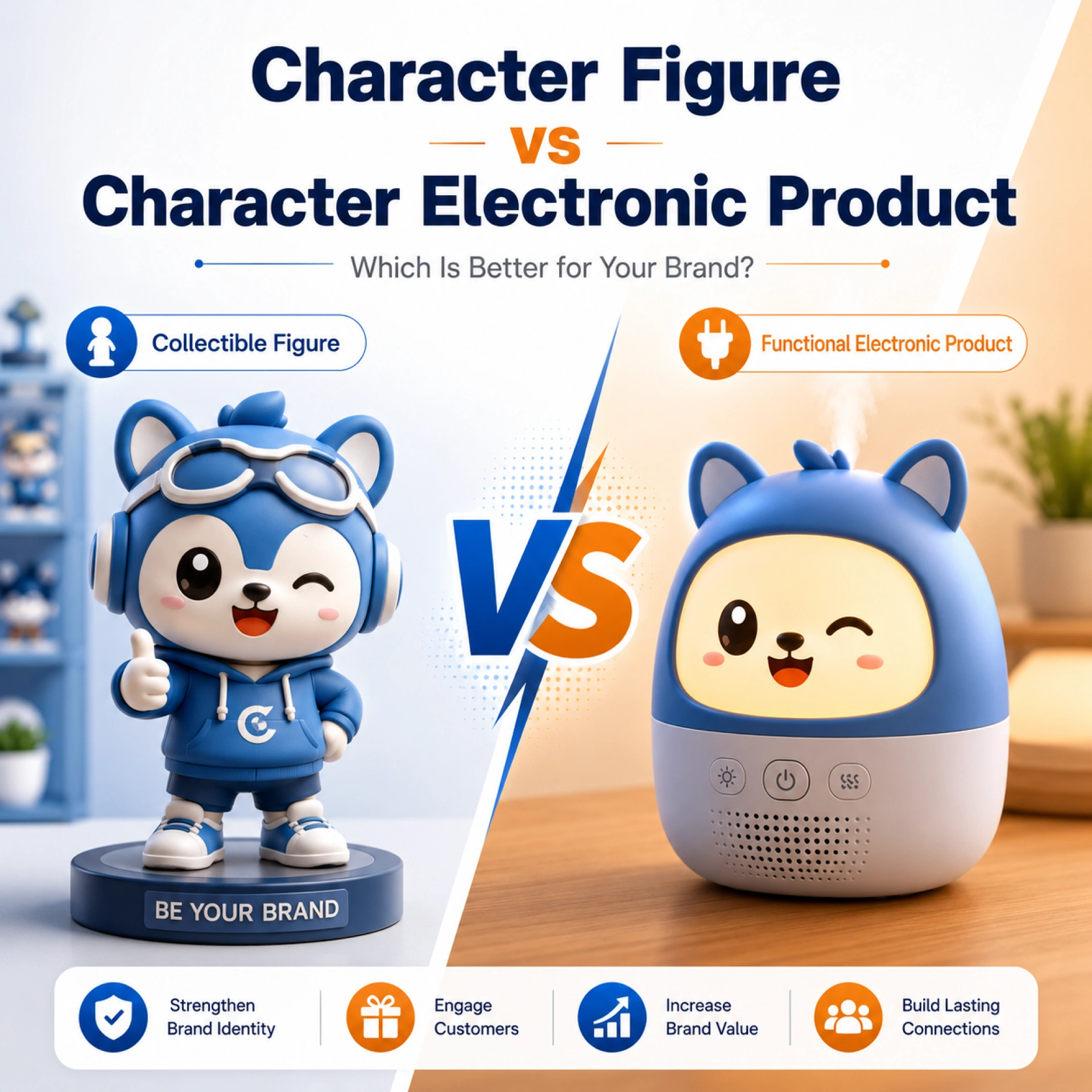
If your brand wants a collectible product with strong display value, lower functional risk, and a more traditional merchandise format, a character figure is usually the better choice. If your brand wants a daily-use product with stronger practical value, higher interaction, and more room for lifestyle positioning, a character electronic product may be better. The best choice depends on your target audience, budget, quantity, sales channel, product timeline, compliance requirements, and how deeply your brand wants the character to enter the customer’s daily life.
In simple terms, the decision of character figure vs character electronic product is a decision between “collectible value” and “functional value.” A character figure is mainly designed for collection, display, gifting, and fan connection. A character electronic product combines the character with real functions such as lighting, humidification, music, aroma diffusion, alarm clock, sound machine, or soap dispensing.
For IP owners, game companies, animation studios, food and beverage brands, retailers, and promotional product buyers, this comparison is important. A cute mascot or licensed character can become a PVC figure, blind box toy, night light, humidifier, Bluetooth speaker, aroma diffuser, sleep training alarm clock, or other character-based product. But each direction has different cost, development difficulty, production process, packaging needs, and market value.
This guide explains character figure vs character electronic product from a brand development perspective, so you can choose the right product direction before starting custom manufacturing.
If your brand is still exploring character merchandise, working with an experienced IP licensed product manufacturer can help you evaluate whether your character is more suitable for figures, blind boxes, electronic gifts, or a complete product line.
Quick Answer: Character Figure vs Character Electronic Product
When comparing character figure vs character electronic product, the easiest way to decide is to look at your brand goal.
Choose a character figure if your goal is:
- Collectible merchandise
- Blind box series
- Fan display product
- Low-function promotional gift
- Character accuracy
- Lower electronic compliance complexity
- Easier long-term series development
Choose a character electronic product if your goal is:
- Daily-use lifestyle product
- Higher perceived value
- Functional gift
- Kids room product
- Homeware product
- Brand interaction
- More practical retail positioning
- Stronger product differentiation
A character figure is usually easier to explain as a collectible. A character electronic product is usually easier to explain as a useful product. For example, a mascot figure may sit on a desk, while a mascot night light can be used every night. A blind box figure may encourage collecting, while a character humidifier or alarm clock may become part of daily life.
This is the core difference in character figure vs character electronic product: one mainly strengthens emotional collection, while the other combines emotional design with practical function.
What Is a Character Figure?
A character figure is a physical toy or collectible based on a character, mascot, game design, animation IP, brand logo character, or original artwork. It may be produced as a PVC figure, soft vinyl figure, blind box figure, mini collectible, mascot toy, keychain figure, or promotional figure.
Character figures are popular because they make a digital or illustrated character tangible. Fans can collect the figure, display it on a desk, place it in a room, use it as a campaign gift, or purchase it as official merchandise.
Common character figure formats include:
- PVC figures
- Blind box figures
- Mascot figures
- Anime-style figures
- Chibi figures
- Soft vinyl figures
- Keychain figures
- Desk collectibles
- Promotional figures
- Limited-edition collectibles
For brands that want to turn character artwork into physical merchandise, a figure is often the first product to consider. It is direct, visual, and easy for customers to understand.
If your brand is developing a figure from artwork, our guide on how to turn 2D character art into a custom toy figure explains the process from artwork review and 3D modeling to prototyping, mold making, painting, and mass production.
What Is a Character Electronic Product?
A character electronic product is a functional product that uses a character design, mascot, or IP element as part of the product appearance. Instead of being only a display figure, it has a practical function.
Common character electronic products include:
- Character night lights
- Silicone tap lights
- Character humidifiers
- Bluetooth speakers
- Aroma diffusers
- Sleep training alarm clocks
- White noise machines
- Automatic soap dispensers
- Water dispenser pumps
- Hand warmers
- Reading lights
- Portable fans
- Ambient lights
A character electronic product turns a character into something people can use. This can make the product more valuable for daily life, gifting, and retail.
For example, a character figure may show the mascot’s appearance. A character night light can show the mascot and provide soft lighting. A character humidifier can show the mascot and improve room comfort. A character Bluetooth speaker can become both a decorative item and a music product.
If your brand is exploring this direction, our article on character themed electronic products explains how character design can be combined with functional home products.
Character Figure vs Character Electronic Product: Core Comparison
The comparison of character figure vs character electronic product should not be based only on appearance. Both can look cute and branded, but they serve different business purposes.
| Comparison Point | Character Figure | Character Electronic Product |
|---|---|---|
| Main value | Collectible and display value | Functional and lifestyle value |
| Typical use | Collection, display, blind box, gift | Lighting, sound, humidification, aroma, daily use |
| Development difficulty | Medium | Higher |
| Electronic components | Usually none | Usually required |
| Compliance complexity | Lower than electronics | Higher due to electronics, battery, EMC, RoHS, etc. |
| Packaging focus | Character display and protection | Function explanation and protection |
| Best for | Fans, collectors, IP merchandise | Families, lifestyle brands, gift products, daily-use markets |
| Reorder logic | Series collection | Practical use and retail demand |
| Cost structure | Mold, material, painting, assembly | Mold, electronics, PCBA, battery, testing, assembly |
| Brand effect | Strong visual identity | Strong visual identity plus daily interaction |
This table shows why character figure vs character electronic product is not a simple question of which one is better. The better choice depends on your brand strategy.
When a Character Figure Is Better
A character figure is better when your brand wants to create a collectible product that focuses on character identity. If the character has a strong fan base, clear visual design, and collectible potential, a figure can be a powerful merchandise product.
A character figure is especially suitable for:
- Game characters
- Animation characters
- Brand mascots
- Restaurant mascots
- Bubble tea brand characters
- Sports team mascots
- Artist characters
- Museum characters
- Event mascots
- Limited-edition fan merchandise
A figure is also a good choice when the brand wants to create a series. Blind boxes, collectible sets, seasonal editions, secret figures, and limited colors are all easier to plan with character figures.
If your brand has multiple characters, skins, costumes, or expressions, a figure series can encourage collecting. This is why blind boxes are so popular for character-based IP projects.
For blind box projects, our blind box figure manufacturing process guide explains how character design, 3D modeling, molds, painting, packaging, and random packing work together.
In the character figure vs character electronic product decision, choose a character figure when your main goal is emotional value, collection, visual identity, and fan engagement.
When a Character Electronic Product Is Better
A character electronic product is better when your brand wants the character to become part of the customer’s daily life. Instead of only sitting on a shelf, the product can provide light, sound, aroma, humidity, time display, or other useful functions.
Character electronic products are especially suitable for:
- Kids product brands
- Lifestyle brands
- Gift companies
- Retail brands
- Licensed IP owners
- Animation and game companies
- Homeware product brands
- E-commerce sellers
- Family product brands
- Promotional product buyers
For example, a character night light can be used in a child’s bedroom. A character humidifier can sit on a desk. A character Bluetooth speaker can be used for music. A sleep training alarm clock can support family routines. These products create repeated contact between the customer and the brand.
If your brand is considering lighting products, our guide on working with a custom night light manufacturer explains how OEM and ODM night light development works.
If your brand wants a kids room product, our kids sleep training alarm clock page shows how a children’s electronic product can combine sleep training, night light, sound machine, and brand-friendly design.
In the character figure vs character electronic product decision, choose a character electronic product when your main goal is practical use, daily interaction, higher perceived value, and product differentiation.
Cost Difference Between Character Figure and Character Electronic Product
Cost is an important part of character figure vs character electronic product planning.
A character figure usually includes costs such as:
- 3D modeling
- Prototype sample
- Mold making
- PVC or plastic material
- Injection molding
- Painting
- Pad printing
- Hand painting
- Assembly
- Packaging
- Quality inspection
A character electronic product may include all of the above plus:
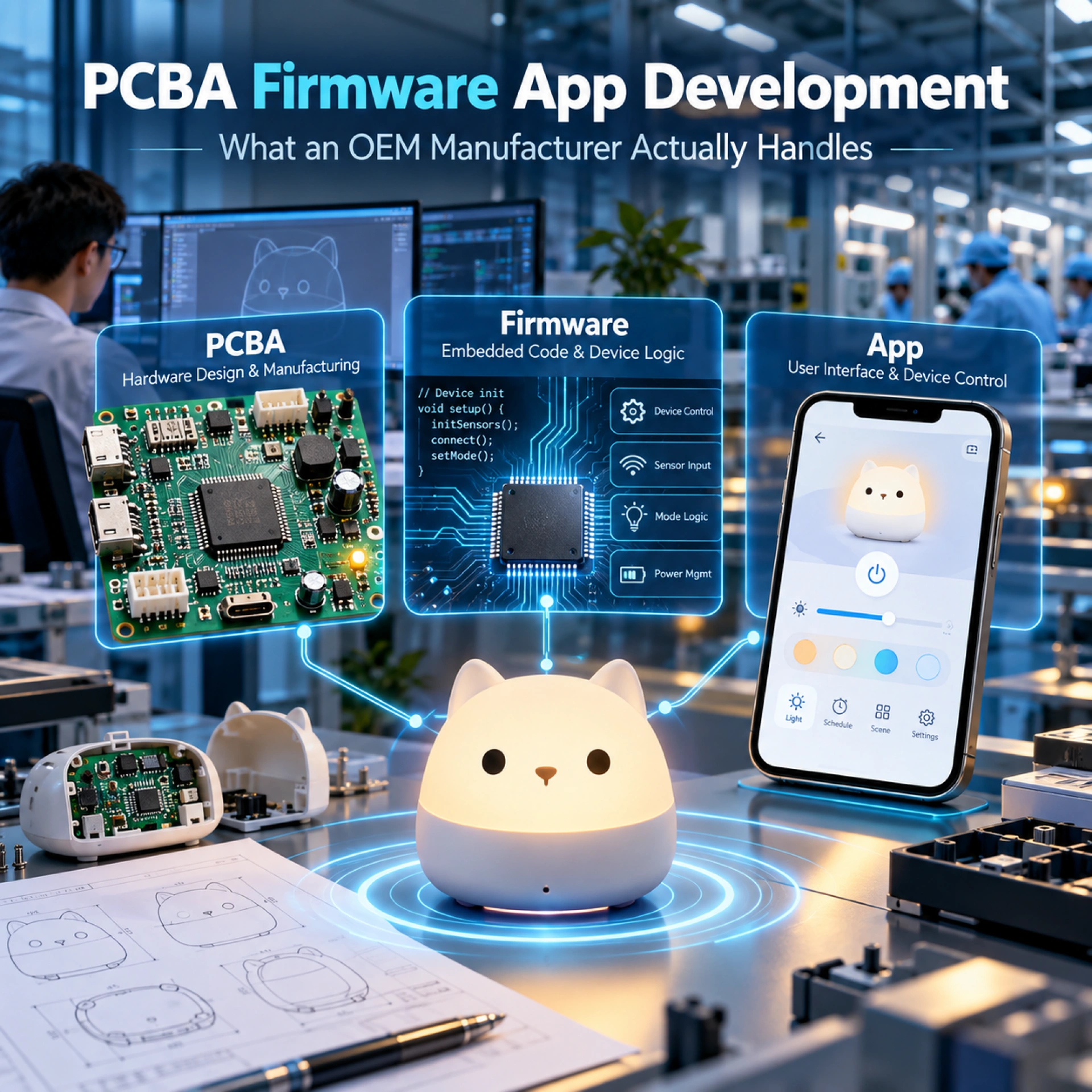
- PCBA development
- LED components
- Speaker components
- Battery
- Charging module
- Sensor
- Display
- Wiring
- Firmware or control logic
- Electronic testing
- Additional safety review
- More complex assembly
This means a character electronic product usually has a higher development burden. It may require more engineering review, more test samples, more function checks, and more compliance planning.
However, the final product may also have a higher perceived value. A customer may be willing to pay more for a useful night light, speaker, humidifier, or alarm clock than for a simple figure, depending on the market.
If cost control is your main concern, you can review our guide on how to reduce custom PVC figure cost before deciding whether a figure or electronic product is more suitable.
Production Difficulty: Which Is Easier?
In most cases, a character figure is easier to develop than a character electronic product. This does not mean figures are simple. A high-quality character figure still needs accurate 3D modeling, mold making, painting, assembly, and QC. But it usually does not require PCBA, battery design, LED layout, sound quality, charging safety, or electronic compliance.
A character electronic product is more complex because it must work properly. It cannot only look good. The light must be stable. The speaker must sound acceptable. The battery must charge safely. The button must be easy to use. The PCB must be reliable. The product must pass function testing before shipment.
This is why the character figure vs character electronic product decision should include factory capability. If your supplier only makes simple plastic toys, it may not be suitable for electronic products. If your supplier has injection molding, silicone, spraying, PCBA, assembly, packaging, and QC capabilities, then a character electronic product becomes more practical.
For electronic product categories, our article on sleep training alarm clock manufacturer gives a useful example of how design, electronics, lighting, sound, packaging, and compliance must work together.
Packaging Difference
Packaging is important for both product types, but the focus is different.
For a character figure, packaging should show the figure clearly, protect painted surfaces, and match the character’s brand identity. Blind boxes need mystery, series information, inner bags, cards, and carton planning. Collectible figures may need window boxes, gift boxes, or display packaging.
For a character electronic product, packaging must also explain the functions. Customers need to understand what the product does, how to use it, how to charge it, what accessories are included, and what safety information applies.
A character electronic product package may need icons for:
- LED light
- Battery capacity
- Charging method
- Sound function
- Bluetooth function
- Timer
- Water tank capacity
- Mist mode
- Safety warnings
- User instructions
In character figure vs character electronic product packaging, the figure package focuses more on visual collection, while the electronic product package must balance brand design and function explanation.
If your brand needs retail packaging, our article on custom toy packaging manufacturer explains what brands should prepare before packaging development.
Compliance Difference
Compliance is another key difference in character figure vs character electronic product.
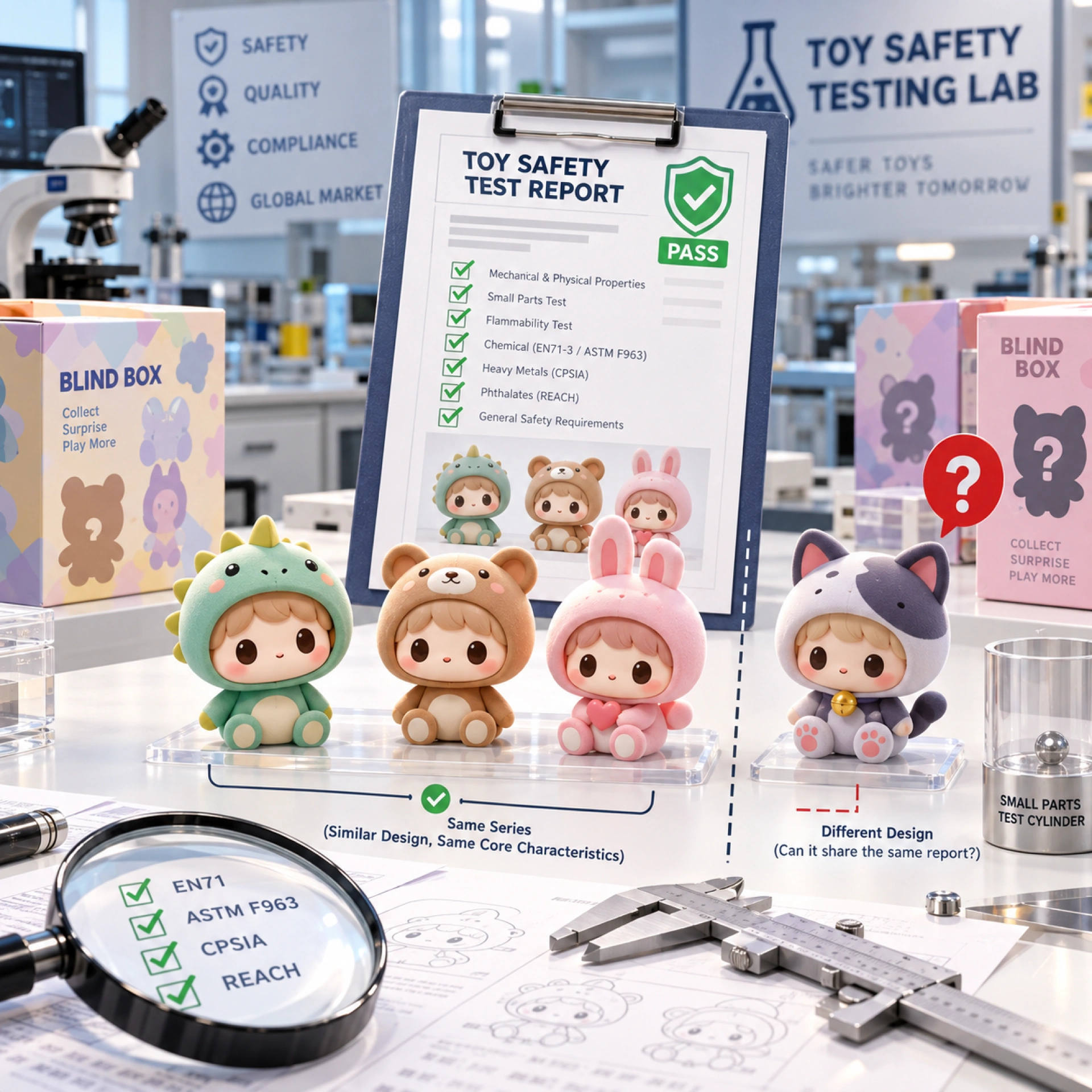
A character figure may need to consider toy safety, small parts, material safety, chemical testing, warnings, age grading, and packaging labels. Requirements depend on the target market and intended age group.
A character electronic product may need additional compliance review because it may include electronics, batteries, wireless functions, LEDs, speakers, charging circuits, motors, or heating components.
For the European market, electronic products may need to consider CE marking, RoHS, EMC, and battery-related requirements. The RoHS Directive is relevant for electrical and electronic equipment because it restricts certain hazardous substances.
For children’s toy products in the U.S., buyers can review the CPSC’s official toy safety guidance. If the product is for the EU toy market, you can also review our article on EN71 custom toys.
The key point is simple: a character electronic product can create more value, but it usually requires more compliance planning.
Fan Value and Daily-Use Value
A character figure usually creates fan value. It works well when customers love the character and want to own a physical version of it. This is especially strong for games, animation, designer toys, mascots, and collectible IP.
A character electronic product creates daily-use value. It gives the character a function. This can make the product more useful for families, bedrooms, desks, offices, and lifestyle scenes.
When comparing character figure vs character electronic product, ask this question:
Do you want customers to collect the character, or do you want them to use the character every day?
If the answer is collect, start with a figure or blind box. If the answer is use, consider a night light, humidifier, speaker, aroma diffuser, alarm clock, or other electronic product.
For some brands, the best answer is both. A product line can start with figures and later expand into functional products. Or it can start with a functional hero product and later add collectible figures.
Which Is Better for Licensed IP Brands?
For licensed IP brands, both options can work.
A character figure is usually better for fans who want accurate collectible merchandise. It is also easier to create multiple designs, series, and limited editions.
A character electronic product is better when the IP wants to enter daily life categories. For example, a character night light can be part of a bedroom routine. A character humidifier can become a desk product. A character Bluetooth speaker can become a lifestyle accessory.
The World Intellectual Property Organization explains that IP licensing can allow rights owners to generate additional business value through authorized use of intellectual property. For brands, this means product category selection is part of IP commercialization. You can read more from WIPO’s official page on IP assignment and licensing.
When deciding character figure vs character electronic product, licensed IP owners should consider whether the product category matches the character world. A cute healing character may work well as a night light or humidifier. A game character may work well as a figure, blind box, or Bluetooth speaker. A kids character may work well as a sleep training alarm clock, night light, or sound machine.
Which Is Better for Brand Campaigns?
For brand campaigns, the decision depends on campaign goal and budget.
A character figure is better for:
- Event giveaways
- Mascot gifts
- Collectible campaigns
- Limited-edition drops
- Blind box promotions
- Fan engagement
- Lower-function merchandise
A character electronic product is better for:
- Premium gift campaigns
- Retail product launches
- Family-focused campaigns
- Lifestyle product lines
- Higher perceived value gifts
- Long-term daily-use exposure
A food and beverage brand may use mascot figures for seasonal campaigns. A lifestyle brand may prefer character night lights or aroma diffusers. A game company may use figures for collectors and speakers for premium fans.
There is no single answer in character figure vs character electronic product. The right answer depends on the campaign objective.
How to Make the Right Decision
Before choosing, brands should answer these questions:
- Is the product mainly for collection or daily use?
- Is the target customer a fan, parent, child, gamer, collector, or general consumer?
- Does the brand need a low-risk product or a higher-value product?
- Is the budget suitable for electronic development?
- Does the target market require specific testing?
- Is the product for retail, e-commerce, events, or licensing?
- Does the character design fit a functional product?
- Can the manufacturer handle both appearance and electronics?
- Does the packaging need to explain functions?
- Will the product become a one-time item or part of a full product line?
These questions make the character figure vs character electronic product decision much clearer.
Suggested Product Strategy
For many brands, the best strategy is not choosing only one product forever. Instead, brands can build a product line.
A practical path may look like this:
Stage 1: Start with a character figure to test fan response.
Stage 2: Expand into blind boxes if the character has multiple designs, expressions, or costumes.
Stage 3: Develop a character electronic product when the brand wants daily-use value.
Stage 4: Build a full IP merchandise line with figures, packaging, lighting products, humidifiers, speakers, and gift sets.
This strategy works especially well for IP owners, game studios, animation brands, mascot brands, and retail companies.
A character figure helps customers recognize and collect the IP. A character electronic product helps customers use the IP in daily life. Together, they create stronger brand presence.
How Jiahong Creative Supports Both Product Directions
Jiahong Creative supports both custom character figures and character electronic products. For figure projects, we can help with artwork review, 3D modeling, prototype development, mold making, PVC production, painting, assembly, packaging, and quality inspection.
For character electronic product projects, we can support product design review, structural engineering, injection molding, silicone parts, PCBA coordination, LED functions, sound functions, assembly, packaging, quality control, and shipment support.
This means brands do not need to treat character figure vs character electronic product as two completely separate supply chains. When one manufacturing team understands both character appearance and functional product development, it is easier to build a consistent product line.
If your brand wants to evaluate the best direction, you can contact us through our custom product inquiry page. Please share your character artwork, target product type, quantity, budget range, packaging idea, and target market.
Final Thoughts
The decision of character figure vs character electronic product depends on brand strategy. A character figure is better when your brand wants collectible value, fan engagement, blind box potential, and lower functional complexity. A character electronic product is better when your brand wants daily-use value, higher perceived value, lifestyle positioning, and stronger practical differentiation.
For many brands, the best long-term answer is to use both. Character figures can build collectible identity, while character electronic products can bring the character into daily life. Together, they help transform a character from a visual asset into a complete merchandise ecosystem.
Before deciding, brands should review target audience, product function, budget, MOQ, timeline, compliance, packaging, and manufacturer capability. When these factors are clear, the character figure vs character electronic product choice becomes much easier and more strategic.
FAQ
1.What is the main difference between a character figure and a character electronic product?
A character figure is mainly for collection, display, gifting, and fan engagement. A character electronic product combines character design with practical functions such as lighting, sound, humidification, aroma diffusion, alarm clocks, or Bluetooth playback.
2.Which is better in character figure vs character electronic product for a new brand?
For a new brand, a character figure is usually easier to start with because it has lower functional complexity. However, if the brand wants a daily-use product with higher perceived value, a character electronic product may be more suitable.
3.Is a character electronic product more expensive than a character figure?
Usually, yes. A character electronic product often includes PCBA, battery, LEDs, speakers, motors, sensors, charging parts, function testing, and additional compliance requirements. These add cost and development complexity.
4.Are character figures better for blind box projects?
Yes. Character figures are usually more suitable for blind box projects because they can be developed into multiple characters, colors, poses, costumes, or secret designs. Blind boxes are strongly connected with collectible behavior.
5.Are character electronic products better for retail brands?
Character electronic products can be very suitable for retail brands because they combine visual appeal and practical function. Night lights, humidifiers, speakers, aroma diffusers, and alarm clocks can be positioned as useful lifestyle products.
6.What should brands consider before choosing character figure vs character electronic product?
Brands should consider target audience, product goal, budget, MOQ, timeline, compliance requirements, packaging needs, character design, sales channel, and manufacturer capability before choosing.
7.Can one character be developed into both figures and electronic products?
Yes. Many brands start with character figures and later expand into character electronic products. This can help build a more complete IP merchandise line.