

Introduction
Choosing the right collectible toy manufacturer is one of the most important decisions for brands, licensors, retailers, and product developers entering the toy and merchandise market. A collectible toy may look simple on the shelf, but the development process behind it is highly technical. It involves character interpretation, product engineering, material selection, prototype validation, mold development, surface finishing, assembly planning, and packaging execution.
For B2B buyers, a professional collectible toy manufacturer does far more than produce plastic parts. The right partner translates creative concepts into stable, scalable, market-ready products that meet both visual and operational requirements. This is especially important for collectible categories such as PVC figures, blind box toys, stylized character merchandise, and licensed products.
If you are still comparing PVC, ABS, and vinyl for collectible toy projects, our guide on what is vinyl material for toys explains how vinyl differs from standard PVC and ABS in toy manufacturing.
This article explains how a collectible toy manufacturer works in real production conditions, what manufacturing capabilities matter most, and what buyers should evaluate before starting an OEM or ODM project.
What Does a Collectible Toy Manufacturer Do?
A collectible toy manufacturer develops and produces toys intended primarily for collecting, display, brand extension, or themed retail distribution. Unlike commodity toys, collectible products often require more precise sculpting, better cosmetic finishing, stronger packaging presentation, and tighter quality standards.
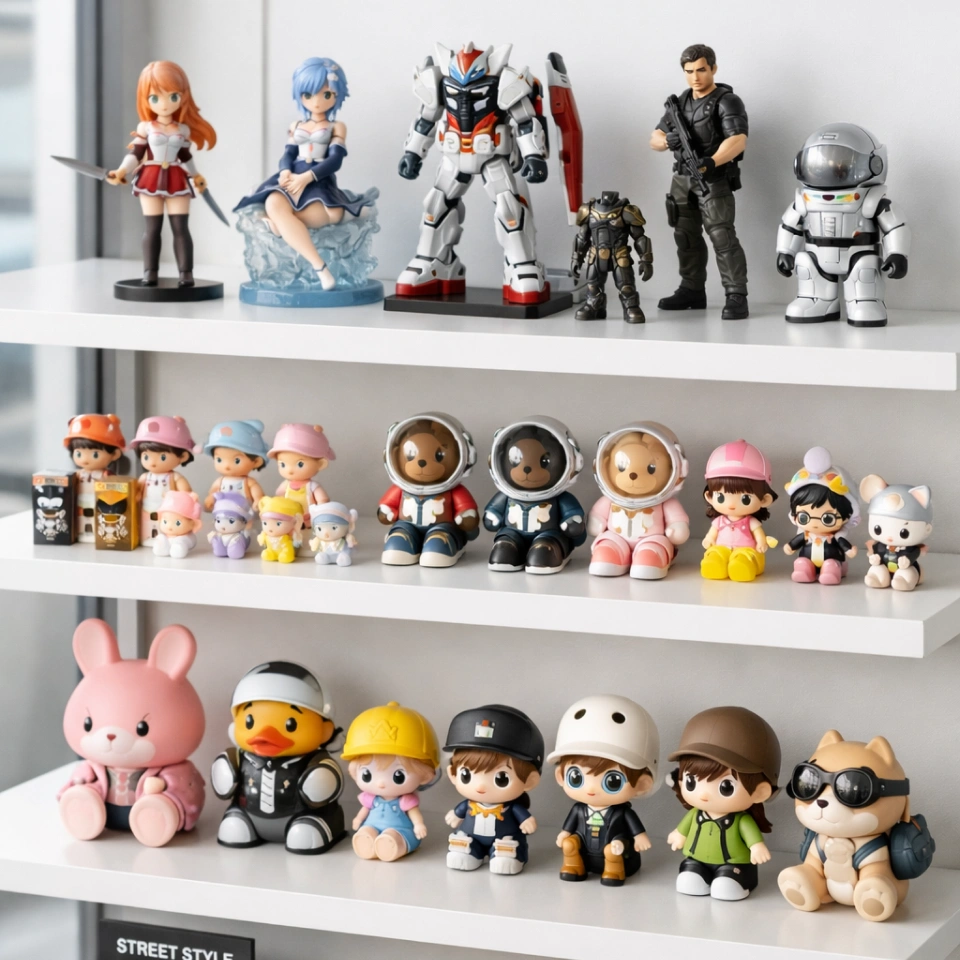
A professional collectible toy manufacturer may produce:
- PVC collectible figures
- Blind box toys
- Action figures
- Designer toys
- Character merchandise
- Licensed IP products
- Display figures with accessories
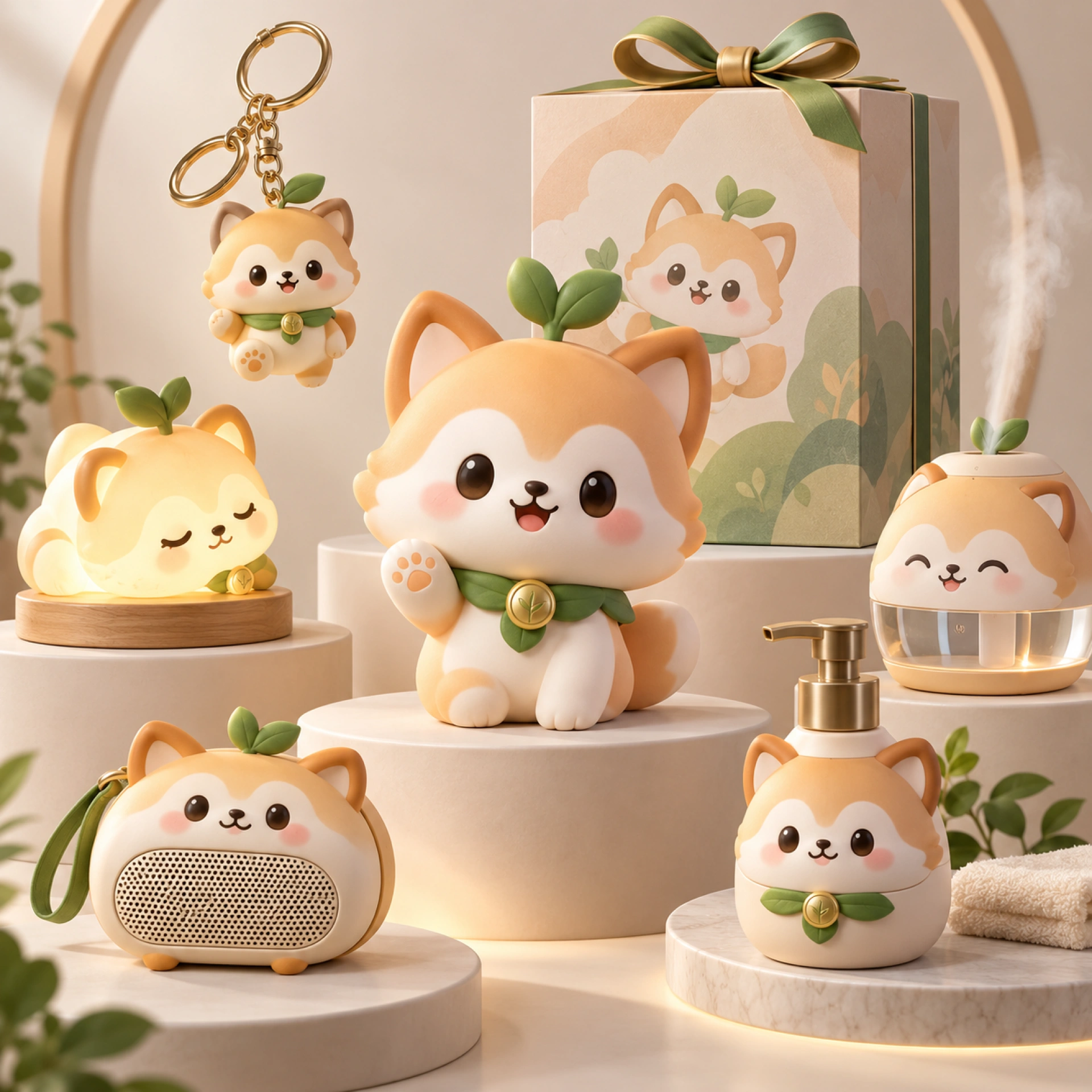
- Character-themed lifestyle collectibles
In many cases, the manufacturer supports either OEM production, ODM development, or both. That means the factory may work from a buyer’s finished design files, or it may help refine the concept, engineer the structure, and prepare the figure for mass production.
For B2B buyers, the best collectible toy manufacturer is not simply the lowest-cost supplier. It is the one that can balance design fidelity, manufacturability, repeatability, and commercial scale.
Why Collectible Toy Manufacturing Is Different from Standard Toy Production
Collectible products create different manufacturing demands from generic toy items. The differences usually appear in four areas.
Higher Visual Expectations
Collectors and brand buyers pay close attention to sculpt accuracy, facial expression, paint lines, finish texture, and packaging presentation. Minor cosmetic issues that might be acceptable in low-end toys can be unacceptable in collectible categories.
More Complex Product Development
Collectible figures often include multiple parts, accessories, interchangeable components, or display bases. This increases tooling complexity and assembly requirements.
For projects that involve articulated or poseable figures, our guide on What Is an Action Figure? explains how action figures differ from standard display figures in structure, articulation, and play value.
Brand and IP Sensitivity
Many collectible projects are tied to licensed characters, original art styles, or brand-specific design systems. That means the manufacturer must follow tighter approval workflows and protect design confidentiality.
For official merchandise programs, working with an experienced IP licensed product manufacturer helps buyers manage approval samples, confidentiality, character accuracy, and repeat production consistency.
Greater Dependence on Surface Finishing
Painting, pad printing, silk-screening, coating, and manual touch-up often play a bigger role in collectible toys than in basic plastic products.
This is why an experienced collectible toy manufacturer needs stronger engineering and finishing capabilities than a general factory.
How a Collectible Toy Manufacturer Develops a Product
A professional collectible toy manufacturer follows a structured development workflow. Understanding this process helps buyers evaluate whether a factory is truly capable.
Concept Evaluation and Product Feasibility
The first step is not production. It is technical evaluation.
At this stage, the manufacturer reviews:
- Character artwork or concept sketches
- Target product size
- Part count
- Accessories and packaging requirements
- Material expectations
- Intended market and retail positioning
- Order quantity
- Cost target
A serious collectible toy manufacturer will identify manufacturing risks early. These might include fragile accessories, unstable standing posture, difficult paint zones, unrealistic part splits, or structural weaknesses that could affect mass production.
Why Feasibility Review Matters
This stage is where product success begins. A supplier that instantly says yes to every design request without engineering feedback may not have enough development depth. Strong factories ask technical questions because they are already thinking about tooling, paint, assembly, and production consistency.
If your project involves cartoon characters, mascot products, or branded merchandise, our article on cartoon product OEM factory explains how character-based products move from design concept to manufacturable goods.
3D Modeling and Structural Engineering
Once the concept is approved, the project moves into digital development.
The engineering team creates production-ready 3D files that define:
- Product proportions
- Surface detail
- Wall thickness
- Part separation
- Accessory fit
- Internal support areas
- Draft angle for tooling
- Assembly logic
For collectible figures, this stage is especially important because the product must preserve artistic quality while remaining manufacturable. A collectible toy manufacturer with strong structural engineering can prevent issues such as deformation, weak joint areas, accessory mismatch, or unstable pose design.
If the project is still in the early development stage, our article on custom PVC figure sample cost can help buyers understand what affects sample cost before tooling and mass production.
Prototype Sampling and Product Validation
After digital development, the manufacturer prepares prototypes for evaluation.
Prototype methods may include:
- 3D printing
- CNC sampling
- Hand-finished mockups
- Painted reference samples
These samples allow the buyer to confirm:
- Proportions and silhouette
- Fine detail clarity
- Surface finish expectations
- Color placement
- Accessory compatibility
- Packaging fit
For licensed projects, prototype approval may involve multiple stakeholders, including brand teams, licensors, or retailers. A qualified collectible toy manufacturer must be able to revise samples efficiently and maintain clear communication throughout the process.
Tooling and Mold Development
Mold quality is one of the biggest factors in collectible toy production. Even the best design cannot be mass-produced successfully without proper tooling.
A collectible toy manufacturer should be able to manage:
- Mold design and engineering review
- Steel selection
- Cavity planning
- Tolerance control
- Mold trial runs
- Revision workflow after first shot testing
Well-executed tooling affects:
- Surface sharpness
- Seam line quality
- Part fit
- Production efficiency
- Long-term repeatability
Factories with in-house tooling usually respond faster to mold modifications and maintain better control over quality.
For buyers who want to understand how mold investment changes from one project to another, our guide on PVC figure tooling cost explains how size, complexity, part separation, cavities, and production requirements affect tooling cost.
If your project also involves functional plastic products or character-themed homeware, our OEM homeware molding factory with in-house tooling page explains why internal mould capability matters for product development and long-term production stability.
Materials Used by a Collectible Toy Manufacturer
Material selection changes how a collectible toy looks, feels, performs, and scales in production. A professional collectible toy manufacturer will recommend materials based on design complexity, product function, and target market.
PVC
PVC is one of the most common materials used for collectible figures because it offers:
- Good detail reproduction
- Smooth surfaces for painting
- Semi-rigid flexibility
- Cost-effective mass production through injection molding
PVC is widely used for anime figures, branded display figures, promotional collectibles, and blind box products.
ABS
ABS is more rigid and is often used for:
- Structural components
- Bases and stands
- Joint systems
- Internal support elements
Vinyl
Vinyl is often used in designer toys and art-focused collectibles where softer feel, stylized form, and hollow construction are important. It is especially suitable for certain collectible categories that focus more on character silhouette, tactile feel, and artistic presentation.
If you are still evaluating whether vinyl is the right material for your figure project, our guide on what is vinyl material for toys explains how vinyl differs from standard PVC and ABS in toy manufacturing.
For a broader comparison of material choices, you can also read our guide on PVC vs Vinyl vs ABS Figures.
Mass Production Processes in a Collectible Toy Factory
Once tooling is approved, the project moves into production.
A collectible toy manufacturer typically handles the following stages:
Injection Molding
Plastic parts are molded using controlled temperature, pressure, and cooling cycles. Stable molding is critical for maintaining consistent part dimensions and reducing defect rates.
For buyers who want to understand the full workflow behind PVC toy production, our article on How PVC Toys Are Manufactured explains how concept review, molding, painting, assembly, and quality control connect together.
Trimming and Surface Preparation
After molding, excess material is removed and surfaces are prepared for painting and printing.
Painting and Decoration
Collectible toys often depend on high cosmetic standards. Common finishing processes include:
- Spray painting
- Pad printing
- Silk-screening
- Hand painting for fine detail
- Matte or gloss coating
The paint process must be designed around production scale. A collectible toy manufacturer should know which details can be automated and which require manual finishing.
Assembly
Assembly can include:
- Body part fitting
- Accessory insertion
- Joint installation
- Display base matching
- Final visual inspection
Packaging
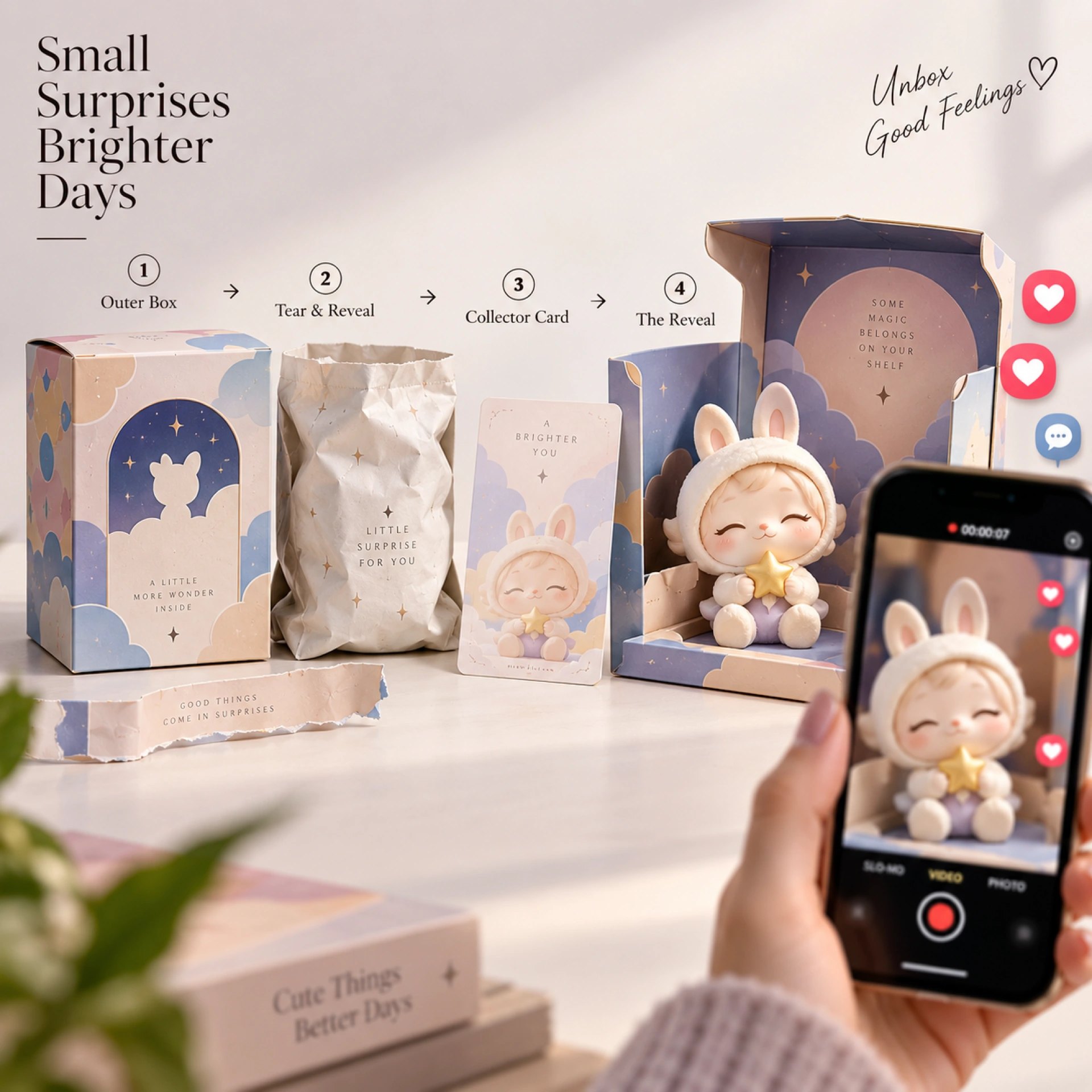
Packaging protects the product and supports brand presentation. For collectible items, packaging is often part of the perceived value.
If your project involves sealed mystery packaging or series-based collectibles, our guide on Blind Box Toy Manufacturer explains how brands plan blind box toy structure, series production, packaging, and retail presentation.
Quality Control Standards in Collectible Toy Manufacturing
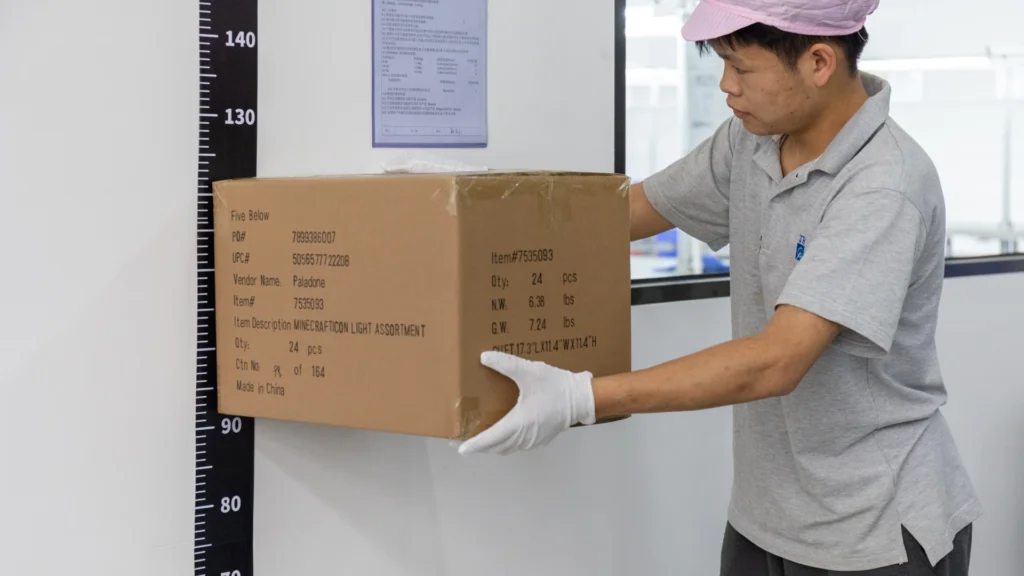
Quality control in collectible toy manufacturing should not be limited to the final packing stage. Strong manufacturers build QC into every process.
A reliable collectible toy manufacturer should implement:
- Incoming material inspection
- In-process molding checks
- Surface finish inspection
- Paint consistency control
- Assembly accuracy verification
- Final product audits before packaging
For toy products entering regulated markets, buyers should also consider compliance requirements. If collectible products are marketed as children’s toys in the U.S., the U.S. Consumer Product Safety Commission provides useful toy safety guidance for manufacturers and importers.
What B2B Buyers Should Look for in a Collectible Toy Manufacturer
If you are evaluating a collectible toy manufacturer, these are the most important areas to review.
1. Product Category Experience
Has the factory produced collectible figures, blind box toys, or licensed character products before?
2. Tooling Control
Can it explain mold development clearly and manage revisions efficiently?
3. Finishing Capability
Can it consistently handle paint, printing, and surface detail at scale?
4. Engineering Depth
Can the supplier discuss structure, materials, assembly logic, and manufacturability in detail?
5. Scale and Stability
Can the factory move from prototype to repeat production without losing quality consistency?
Material selection is also part of supplier evaluation. A professional collectible toy manufacturer should be able to explain when PVC, ABS, or vinyl is more suitable for a product. For buyers considering soft vinyl or designer toy styles, understanding what is vinyl material for toys can help clarify whether vinyl fits the product’s structure, production volume, and market positioning.
For collectible toy projects, buyers should also confirm whether the supplier is only a trading company or a real PVC figure OEM ODM factory with engineering, tooling, molding, painting, assembly, packaging, and quality control capability.
How Collectible Toy Manufacturing Supports Brand Growth
For B2B buyers, the right collectible toy manufacturer is not only a production partner. It is part of the brand-building process.
Well-made collectibles can support:
- New IP launches
- Retail exclusives
- Convention products
- Blind box series
- Brand collaborations
- Character merchandise programs
A factory that understands collectible product development can help brands scale beyond one-off items into a more durable product line.
If your brand plans to expand from figures into broader character-based products, our guide on character merchandise manufacturer explains how toys, homeware, promotional gifts, and licensed merchandise can connect under one manufacturing strategy.
FAQ Section
What does a collectible toy manufacturer do?
A collectible toy manufacturer develops and produces figures and themed toy products for brands, licensors, and retailers, usually covering prototyping, tooling, molding, painting, assembly, and packaging.
What materials does a collectible toy manufacturer use?
Most collectible toy manufacturers use PVC, ABS, and sometimes vinyl depending on the product’s structure, detail requirements, and intended market.
What is the difference between a collectible toy manufacturer and a general toy factory?
A collectible toy manufacturer usually has stronger capabilities in sculpt detail, cosmetic finishing, accessory assembly, and packaging presentation for display-focused products.
Can a collectible toy manufacturer support licensed products?
Yes. Many collectible toy manufacturers support licensed merchandise projects and can work within approval processes, confidentiality requirements, and visual brand guidelines.
How do I choose a collectible toy manufacturer?
Buyers should evaluate product experience, tooling control, engineering capability, surface finishing quality, and production stability before choosing a manufacturing partner.
Conclusion
A professional collectible toy manufacturer does far more than produce toy parts. It turns creative concepts into market-ready products through structured engineering, tooling discipline, controlled finishing, material selection, and scalable production management.
For B2B buyers, understanding how a collectible toy manufacturer works helps reduce development risk and improves decision-making when selecting a factory partner. The best results come from manufacturers that combine technical depth with real experience in collectible categories such as PVC figures, vinyl designer toys, blind box toys, action figures, and licensed merchandise.
At Shenzhen Jiahong Creative Co., Ltd., we support collectible toy development with in-house design coordination, mold making, injection molding, painting, assembly, and packaging. With a 30,000㎡ production base and large-scale OEM/ODM experience, our team helps brands turn character concepts into scalable collectible products for retail, promotion, and licensed merchandise programs.
If you are looking for a reliable collectible toy manufacturing partner in China, you can contact Jiahong Creative to discuss your design files, target quantity, material options, tooling requirements, packaging needs, and production timeline.