

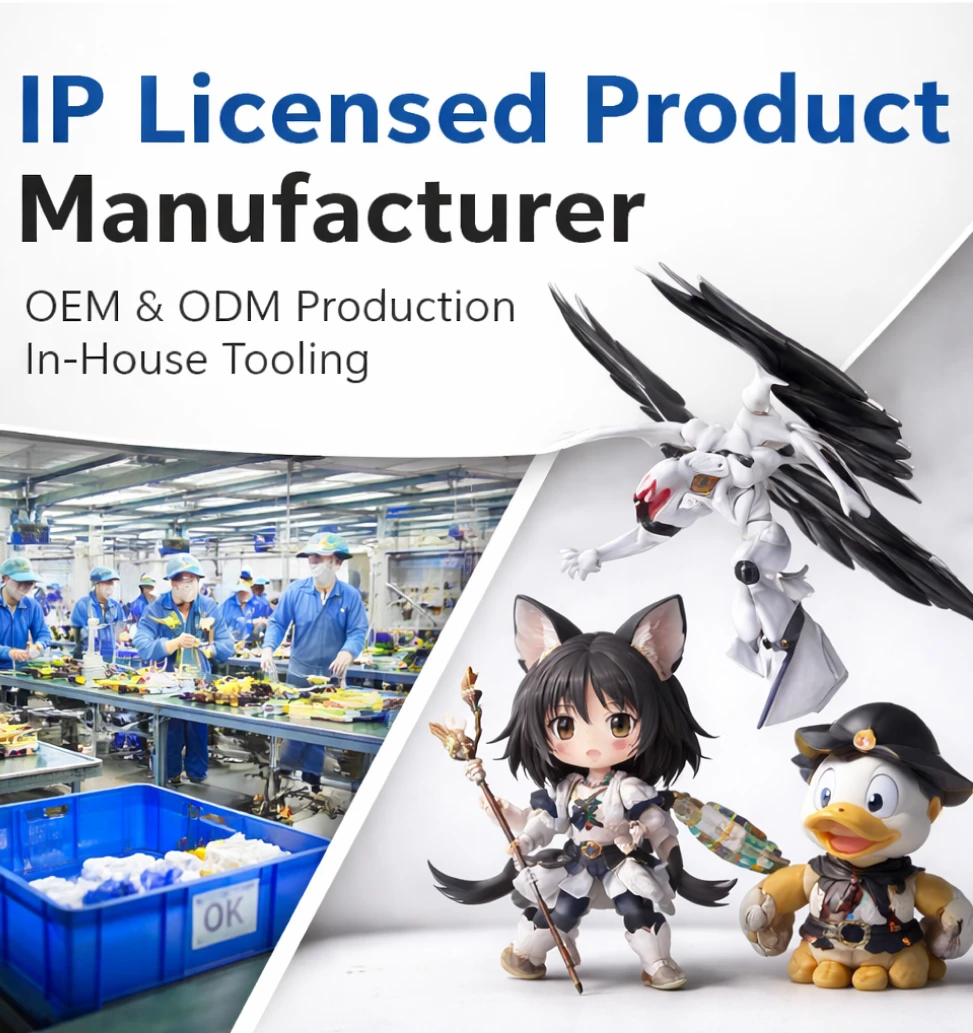
In today’s competitive retail environment, working with a professional IP licensed product manufacturer is essential for brands, licensors, and IP owners seeking high-quality, scalable production.
From anime figures and promotional merchandise to branded homeware and electronic gifts, licensed products require precision, confidentiality, and strong engineering support. Choosing the right IP licensed product manufacturer directly affects approval timelines, brand integrity, and long-term commercial success.
What Does an IP Licensed Product Manufacturer Do?
An IP licensed product manufacturer specializes in producing merchandise based on licensed characters, trademarks, or branded intellectual property.
Unlike generic factories, an experienced IP licensed product manufacturer must:
- Follow strict brand guidelines
- Ensure character accuracy and color consistency
- Protect confidential design files
- Support multiple approval rounds
- Maintain consistent quality across mass production
Licensed production requires far more control than standard OEM manufacturing.
Why In-House Manufacturing Matters for Licensed Products
One of the most important factors when choosing an IP licensed product manufacturer is vertical integration.
Factories with in-house tooling and production can:
- Minimize third-party exposure
- Protect sensitive IP data
- Ensure consistent design execution
- Shorten revision cycles
For detailed insight into tooling capability, see our
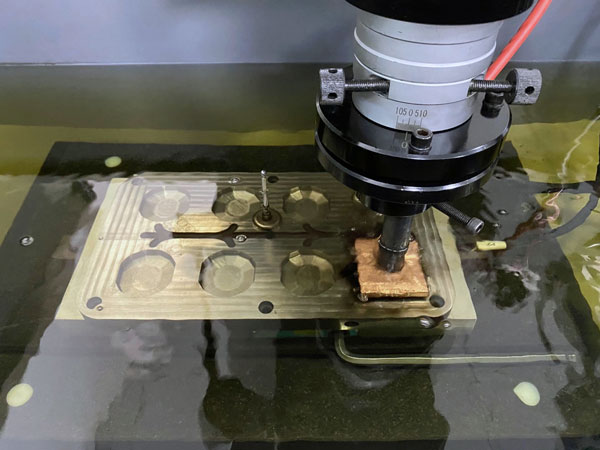
OEM homeware molding factory with in-house tooling capability
In-house mould control is critical when producing character-based products.
Licensed PVC Figures and Anime Toys
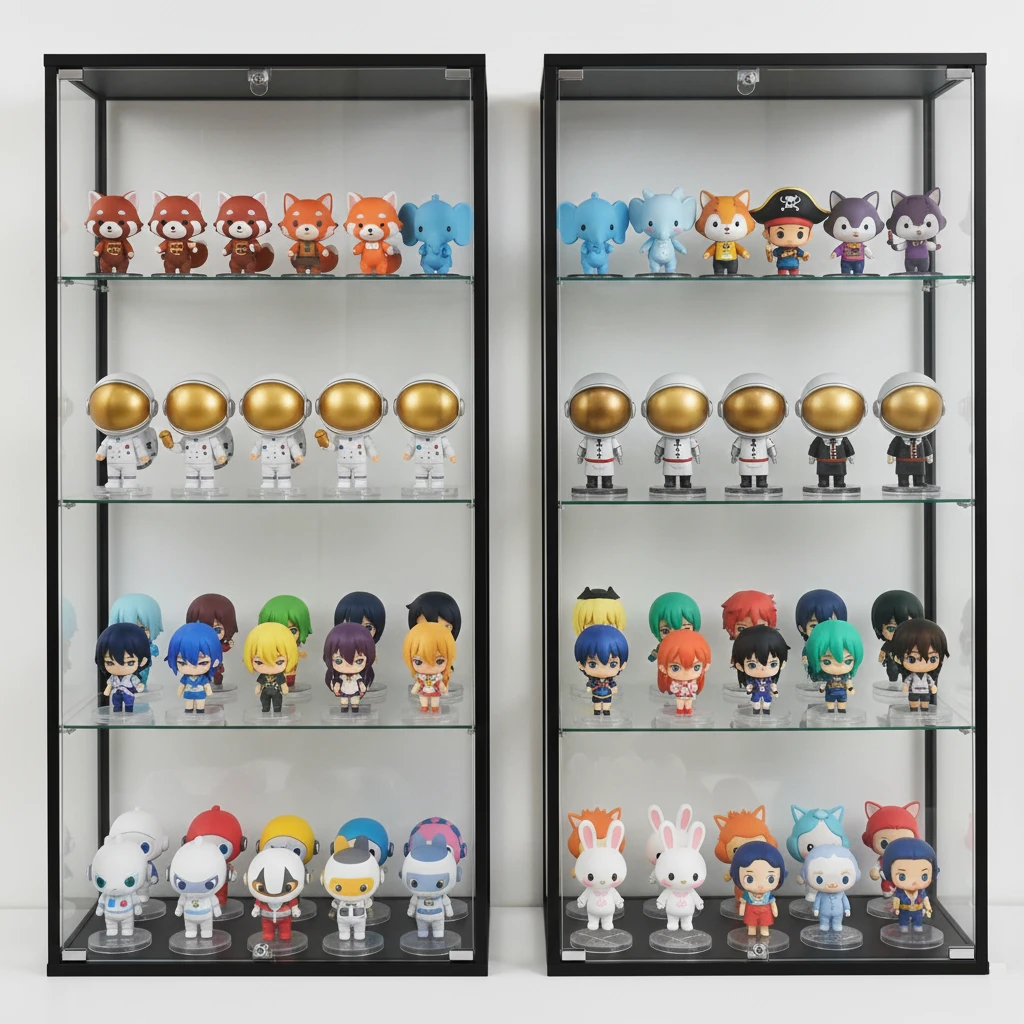
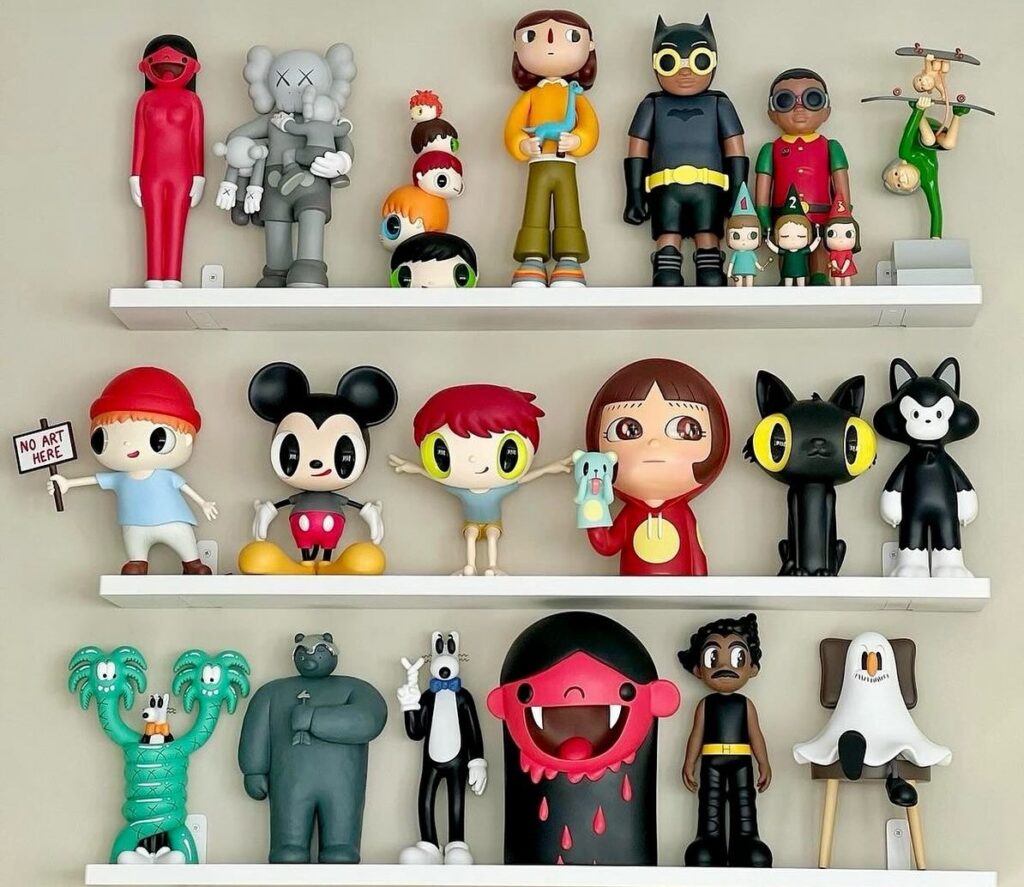
Many licensed projects involve PVC figures, collectibles, and anime merchandise.
As a professional IP licensed product manufacturer, we support:
- Custom anime PVC figures
- Licensed character toys
- Promotional collectible products
- Branded display figures
Learn more about our experience as a
custom PVC figure OEM ODM factory
Licensed Homeware and Functional Products
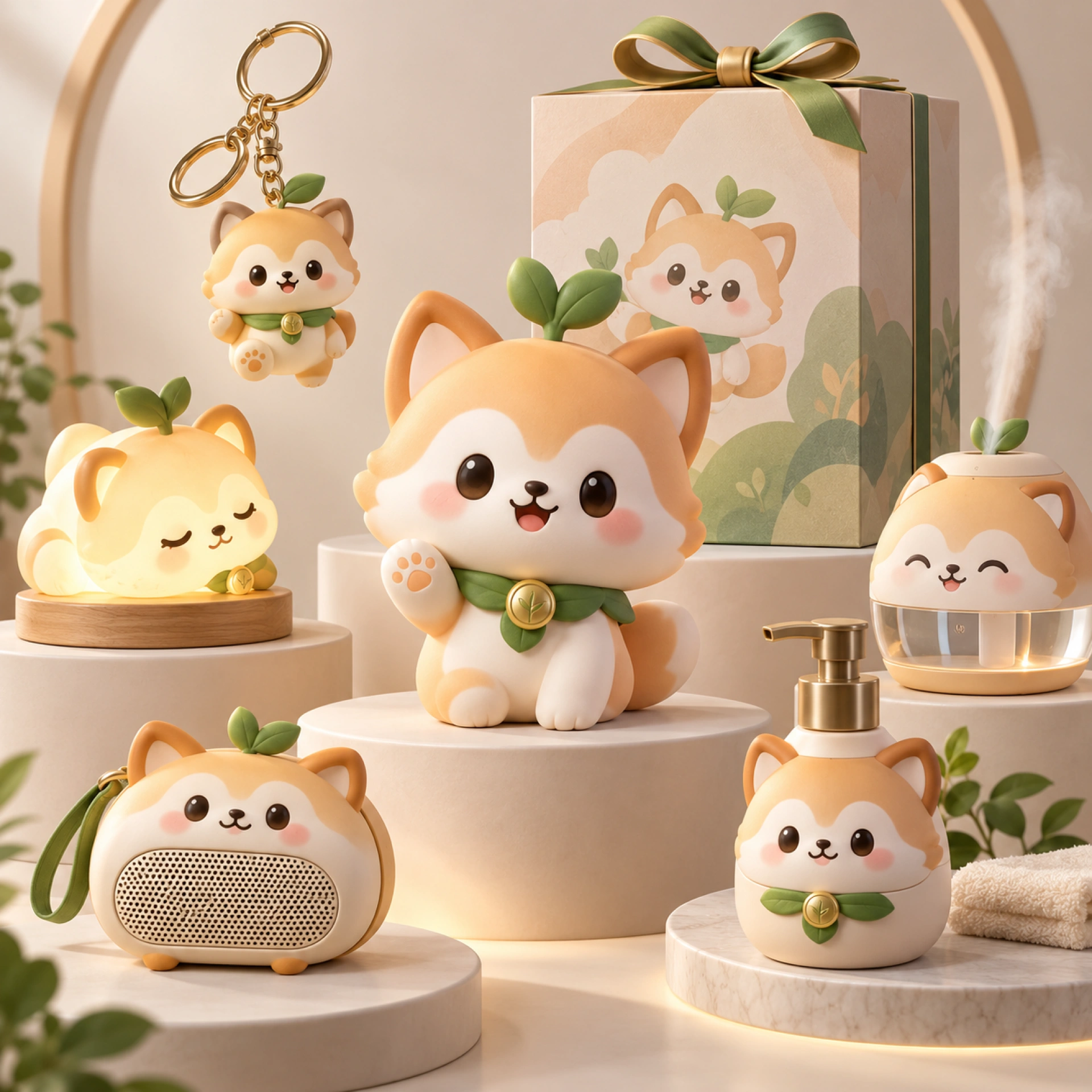
Beyond collectibles, licensed IP is increasingly integrated into homeware and lifestyle products.
We support:
- Branded small home appliances
- Character-based home décor
- Licensed electronic gifts
- Functional household items with IP integration
Explore how we support
custom homeware manufacturing for brands
OEM & ODM Support for Licensed Projects
For licensed merchandise and branded collaborations, OEM and ODM capabilities are not optional—they are fundamental. An experienced IP licensed product manufacturer must provide structured support across both manufacturing execution and product development.
In OEM projects, the brand or licensor typically provides finalized artwork, 3D data, or detailed product specifications. The manufacturer’s responsibility is to translate those requirements into precise, scalable production. This includes strict adherence to character proportions, Pantone color matching, surface finishing standards, and packaging guidelines. For licensed products, even minor deviations can delay approvals or compromise brand integrity.
ODM projects require a deeper level of engineering involvement. In these cases, the IP owner may provide concept sketches or creative direction, but the manufacturer contributes structural design, material selection, electronic integration, and cost optimization. A qualified IP licensed product manufacturer must balance creative intent with manufacturability, ensuring that the final product meets both aesthetic expectations and production efficiency requirements.
In licensed manufacturing, development timelines often include multiple approval checkpoints. These may involve digital render approvals, prototype evaluations, painted sample verification, and final production sign-offs. A reliable OEM & ODM structure ensures smooth communication between design teams, engineers, and production managers to minimize delays and reduce revision costs.
Quality Control and Compliance in Licensed Manufacturing
Licensed products often enter regulated markets, particularly when toys, electronics, or household appliances are involved. Beyond visual accuracy, compliance and safety standards become critical components of production.
An experienced IP licensed product manufacturer should implement:
- Incoming raw material inspection
- In-process quality monitoring
- Final pre-shipment inspection
- Documentation management for export compliance
For toy-related products, global safety frameworks such as those outlined by the U.S. Consumer Product Safety Commission (CPSC) are often relevant. You can review official toy safety and compliance guidance directly from the CPSC website here:
Referencing regulatory authorities demonstrates a commitment to compliance, which is particularly important for licensed and character-based merchandise distributed internationally.
Brand Protection and Confidential Production Workflow
IP protection is one of the most sensitive aspects of licensed manufacturing. A structured internal workflow reduces exposure risks and strengthens confidentiality.
Key protection measures include:
- Controlled access to design files
- In-house mould production
- Dedicated production lines for sensitive projects
- Non-disclosure agreements (NDAs)
- Restricted sample handling procedures
Factories that outsource tooling or critical processes introduce additional risk layers. In contrast, vertically integrated manufacturers maintain tighter control over both intellectual property and production consistency.
Scalable Production for Licensed Brands
Licensed products often launch in coordinated campaigns tied to media releases, seasonal promotions, or retail partnerships. This requires scalable manufacturing capacity.
A professional IP licensed product manufacturer must be able to:
- Support pilot production runs
- Scale to mass production quickly
- Maintain color and structural consistency across batches
- Manage synchronized packaging and logistics schedules
This level of coordination is only possible when engineering, tooling, molding, and assembly operate within an integrated system.
Final Considerations
Licensed product manufacturing demands more than standard OEM production. It requires technical precision, compliance awareness, confidentiality safeguards, and structured development workflows.
By combining OEM execution, ODM engineering support, regulatory understanding, and scalable in-house production, a professional IP licensed product manufacturer becomes a strategic partner rather than just a supplier.
Q: What is an IP licensed product manufacturer?
A: An IP licensed product manufacturer produces merchandise based on licensed characters, trademarks, or brand intellectual property under strict compliance standards.
Q: Why is in-house tooling important for licensed products?
A: In-house tooling protects IP, improves design accuracy, and ensures consistent quality during mass production.
Q: Can licensed products include home appliances or electronics?
A: Yes. Licensed IP can be integrated into homeware, small appliances, and electronic gifts through OEM and ODM manufacturing.