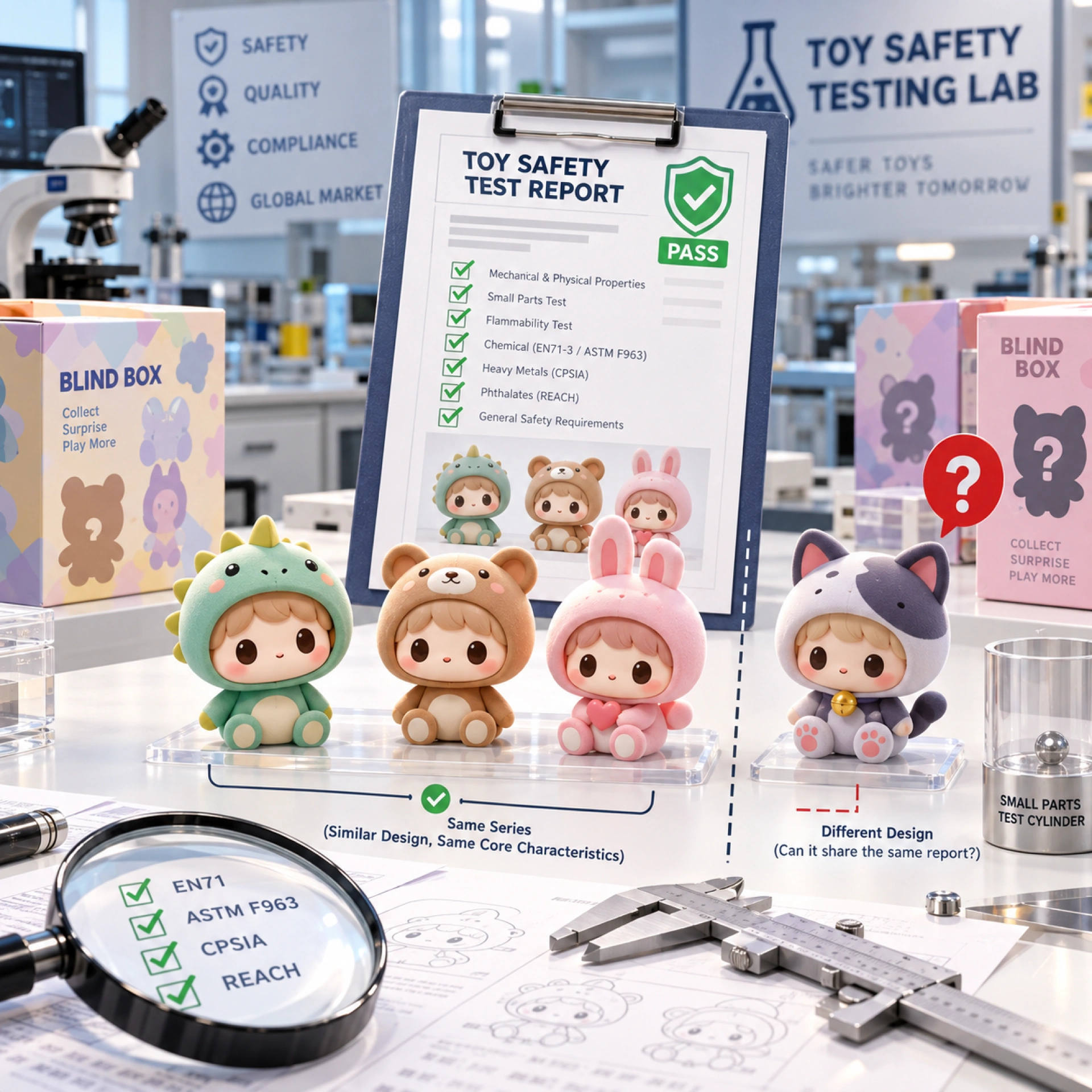


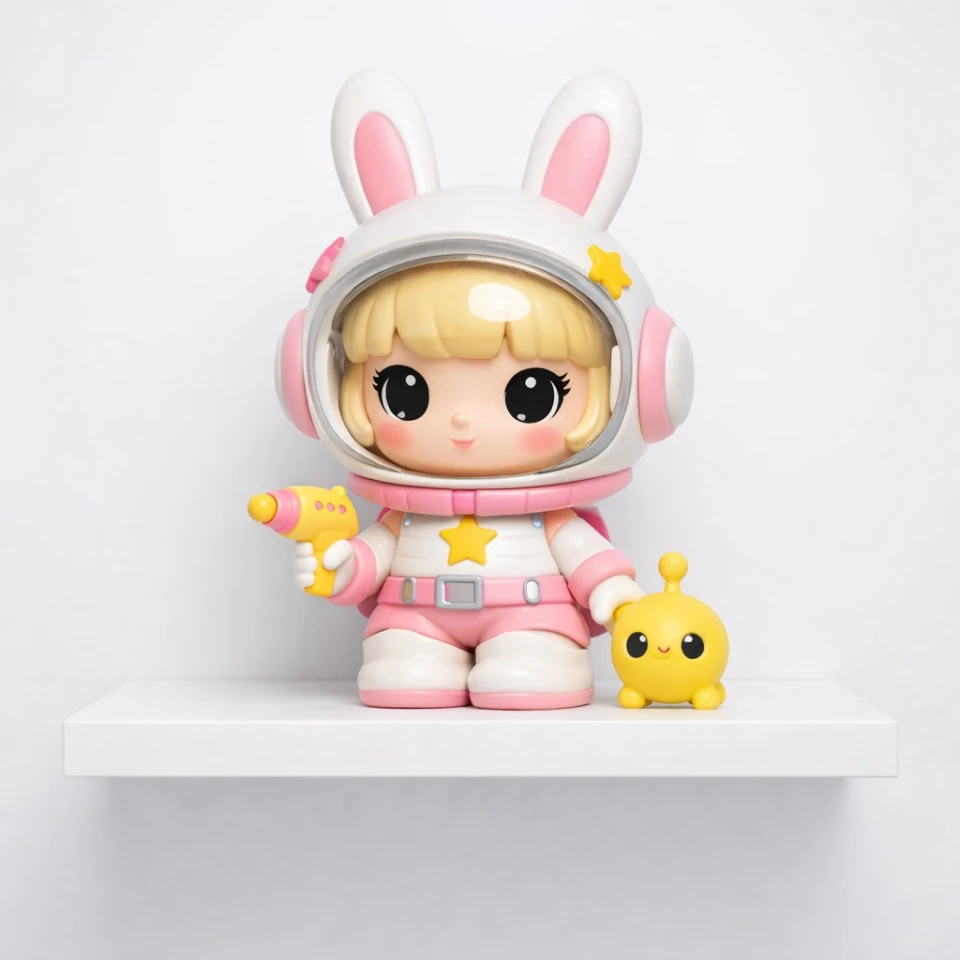
If you are developing collectible toys, designer figures, or licensed character products, one of the first questions you may ask is: what is vinyl material for toys?
Vinyl is one of the most widely recognized materials in the toy industry, especially in designer toys, art collectibles, and character-based merchandise. However, many buyers still confuse vinyl with PVC or use the two terms interchangeably. In real manufacturing, that can lead to misunderstandings about cost, structure, surface finish, and production methods.
For brands and B2B buyers, understanding what is vinyl material for toys is important because material selection directly affects tooling, production volume, product feel, and market positioning. A toy designed for soft vinyl manufacturing follows a very different engineering path from a toy intended for standard custom PVC toy manufacturing.
For brands comparing vinyl, PVC, and ABS for collectible products, material selection should also connect with the right production partner. Working with an experienced collectible toy manufacturer helps buyers evaluate material choice, tooling method, surface finishing, and scalable production before moving into sampling or mass production.
This guide explains what vinyl material is, how it is used in toy production, how it differs from PVC and ABS, and when brands should choose vinyl for their projects.
What Is Vinyl Material for Toys?
To answer the question what is vinyl material for toys, vinyl in the toy industry usually refers to soft vinyl, a PVC-based plastic formulation that is processed differently from standard rigid or semi-rigid PVC used in many figures.
In practical terms, vinyl toys are known for:
- A softer and more flexible feel
- Hollow or partially hollow construction
- Simpler but bold sculptural forms
- A strong presence in designer toy and art toy categories
So while vinyl and PVC are chemically related, they are not always used in the same way in product development.
For a general reference on polyvinyl chloride and flexible PVC applications, see Britannica’s PVC overview.
When buyers ask what is vinyl material for toys, they are often trying to understand whether vinyl is the right choice for collectible figures, character toys, or branded merchandise. The answer depends on product style, production goals, and intended retail positioning.
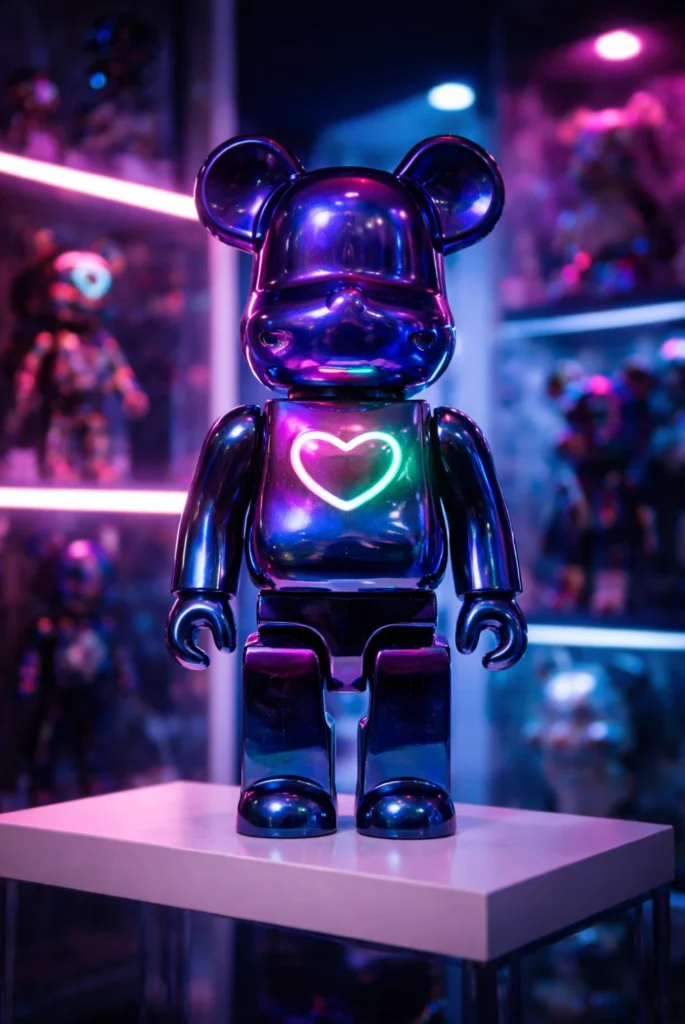
Why Vinyl Is Popular in the Toy Industry
Vinyl has remained important in the toy market because it offers a different product experience from rigid plastics.
Softer Tactile Feel
One reason brands choose vinyl is the softer, warmer touch compared with harder plastics. This gives vinyl toys a more collectible and premium feel in certain categories.
Strong Visual Identity
Vinyl is especially suitable for toys with bold silhouettes, rounded shapes, and simplified forms. That is why it is widely used in designer toys and art collectibles.
Good for Character Products
For some stylized characters, vinyl supports a more expressive and sculptural look that aligns with brand aesthetics better than hard engineering plastics.
For brands planning character-based merchandise, material selection should also connect with the overall manufacturing strategy. You can learn more about this through our guide on character merchandise manufacturing.
How Vinyl Toys Are Manufactured
A complete explanation of what is vinyl material for toys must include the manufacturing method, because the production process is one of the biggest differences between vinyl and standard PVC figures.
Vinyl toys are often produced through rotational molding or similar hollow-forming processes rather than standard high-pressure injection molding.
Basic Vinyl Toy Production Process
- A mold is prepared based on the approved design
- Vinyl material is placed into or processed within the mold
- The mold is heated and rotated so material forms evenly along the inner surface
- The part cools and becomes a hollow structure
- The piece is trimmed, finished, painted, and assembled if needed
This process creates the signature feel of many vinyl toys: soft, lightweight, and hollow.
Because of this, vinyl toys are usually better suited to:
- Simpler internal structure
- Larger rounded shapes
- Designer toys
- Limited collectible runs
If your project requires sharper details, multi-part assembly, or larger-scale production, standard custom PVC toy manufacturing may be a better fit.
How Vinyl Differs from PVC and ABS
Many buyers researching what is vinyl material for toys are actually comparing materials for a future project. That is why understanding the difference between vinyl, PVC, and ABS is essential.
Vinyl vs PVC
Vinyl is typically softer and often hollow, while standard PVC figures are usually injection molded and better suited for sharper details and multi-part assemblies.
PVC is commonly chosen when brands need:
- High detail reproduction
- Stable mass production
- More complex paint zones
- Better consistency across large volumes
If you want a deeper comparison, you can naturally link here to your existing article on
PVC vs Vinyl vs ABS Figures.
Vinyl vs ABS
ABS is a rigid engineering plastic more commonly used for:
- Joints
- Bases
- Structural parts
- Mechanical toy components
ABS is not usually the first choice for full vinyl-style character bodies because it lacks the soft tactile feel and sculptural character associated with vinyl toys.
When Brands Choose Vinyl Material for Toys
The answer to what is vinyl material for toys becomes more useful when applied to real buying decisions.
Brands often choose vinyl when:
The Product Is Design-Driven
Vinyl is ideal when the product’s appeal depends on shape, silhouette, and character style rather than extremely fine sculptural detail.
The Product Is a Designer or Art Toy
Many art toy brands prefer vinyl because of its collectible identity and softer touch.
The Product Needs a Distinctive Feel
Vinyl gives products a different market perception from standard PVC figures. In some categories, that tactile difference matters.
The Production Run Is More Specialized
Vinyl is often used for collectible programs that are more niche, design-driven, or brand-led rather than mass retail commodity items. For buyers developing designer toys, art collectibles, or display-focused figures, choosing the right collectible toy manufacturer is important because the factory must understand material selection, sculptural style, tooling limitations, painting standards, and packaging presentation together.
For high-volume retail programs with complex details, brands may still prefer PVC injection molding. If your project involves mystery collectibles or retail series development, our article on blind box toy manufacturing can help you understand how brands plan collectible toy production.
Limitations of Vinyl in Toy Manufacturing
A professional answer to what is vinyl material for toys should also explain where vinyl is not the best option.
Vinyl may be less suitable when:
- Very sharp and intricate detail is required
- Tight structural tolerance is important
- A product uses many mechanical or jointed parts
- Extremely high-volume production consistency is the top priority
This is why many factories recommend different materials depending on whether the product is a designer toy, blind box collectible, promotional item, or structural model figure.
For projects that need stable structure, sharper surface details, and scalable production, working with a cartoon product OEM factory may help brands evaluate materials, tooling, painting, assembly, and packaging together.
How Manufacturers Help Buyers Choose the Right Material
Experienced manufacturers do not recommend vinyl, PVC, or ABS based on trend alone. They evaluate the actual project.
A factory should review:
- Character design complexity
- Product size
- Surface finish requirements
- Paint and print zones
- Structural load points
- Production quantity
- Packaging and shipping requirements
- Retail positioning
This engineering-based approach helps avoid costly design mistakes.
This engineering-based approach helps avoid costly design mistakes.
If you are not sure whether your product should use vinyl, PVC, ABS, or a mixed-material structure, our custom PVC toy manufacturer page can help you understand the type of manufacturing support available for collectible toy and character product projects.
Vinyl Toys in Licensed and Character Merchandise
Vinyl also plays a role in licensed product development, particularly where brands want a stylized, collectible presentation rather than a traditional action figure or rigid display model.
For licensed projects, the manufacturer must still manage:
- Character accuracy
- Color control
- Surface consistency
- Approval samples
- Production repeatability
That makes material knowledge especially important in IP-based programs.
For buyers developing branded or licensed products, our IP licensed product manufacturer guide explains why factory capability, approval samples, quality control, and product consistency matter in character merchandise projects.
What B2B Buyers Should Ask Before Choosing Vinyl
If you are sourcing toys and asking what is vinyl material for toys, you should also ask your factory these questions:
- Is vinyl the best material for this character design?
- Will the product be hollow or solid?
- What production method will be used?
- How will paint adhesion and finish be controlled?
- Is the product better suited to PVC instead?
- What is the expected production volume?
- Are there structural parts that should use ABS?
These questions help buyers move from material curiosity to real product strategy.
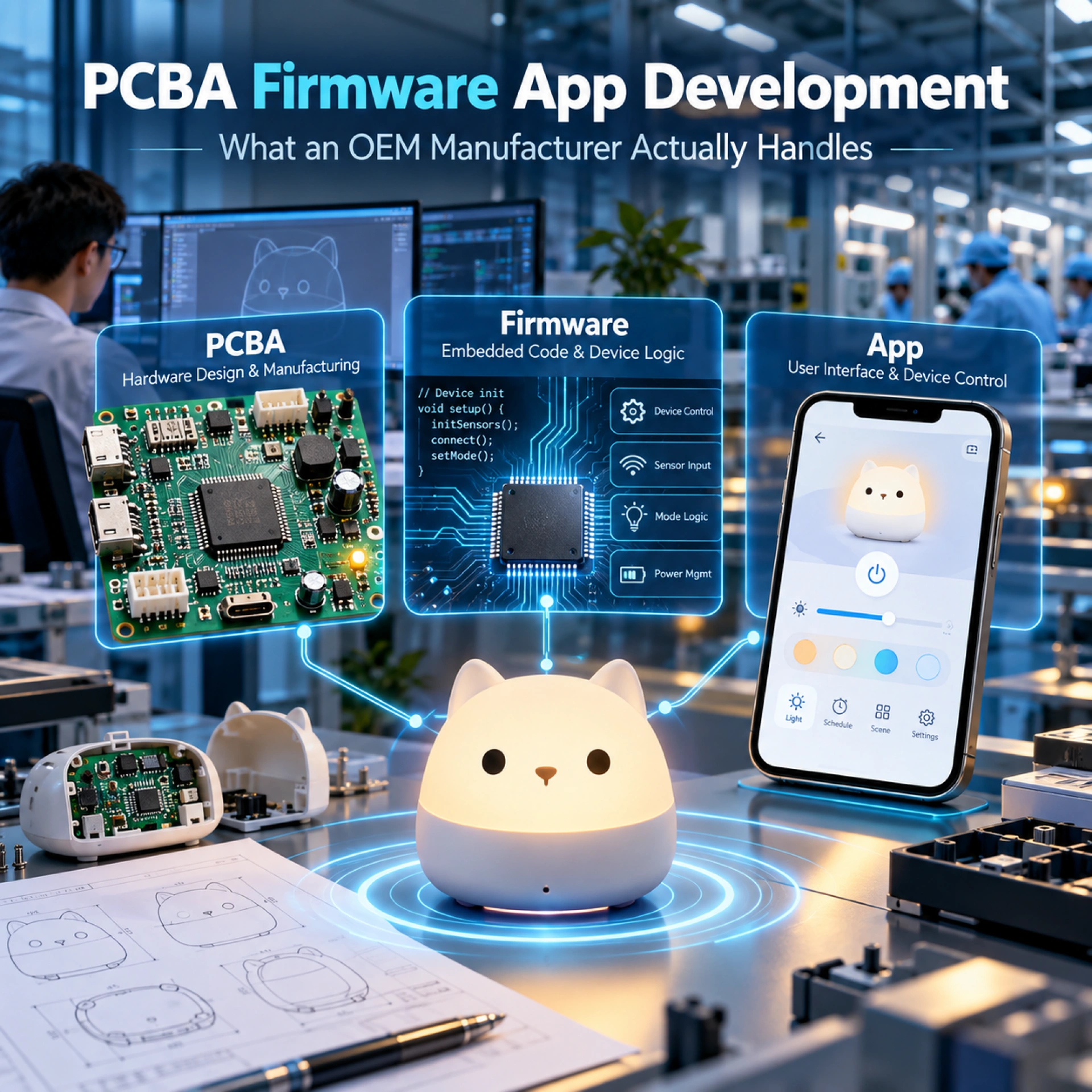
If your product also includes lights, sound, Bluetooth functions, or electronic modules, you may need a different manufacturing plan. In that case, our article on character-themed electronic products can help explain how character design and functional product development connect.
Related Reading for Collectible Toy Projects
If you are comparing vinyl with PVC or ABS for a collectible figure project, you may also find our guide on collectible toy manufacturer useful. It explains how brands develop figures through concept review, 3D modeling, tooling, molding, painting, assembly, packaging, and quality control.
FAQ About Vinyl Material for Toys
What is vinyl material for toys?
Vinyl material for toys usually refers to soft vinyl, a PVC-based plastic used to produce toys with a softer feel and often hollow construction.
Is vinyl the same as PVC in toy manufacturing?
Vinyl is PVC-based, but it is not always used in the same way as standard PVC figures. Vinyl toys often use different formulations and production methods.Vinyl is PVC-based, but it is not always used in the same way as standard PVC figures. Vinyl toys often use different formulations and production methods.
Why do brands choose vinyl for toys?
Brands choose vinyl for toys because it offers a softer texture, a more collectible feel, and strong suitability for designer toys and stylized character products.
Is vinyl better than PVC for collectible toys?
Not always. Vinyl is better for some art toys and stylized collectibles, while PVC is often better for highly detailed mass-production figures.
Can vinyl be used in licensed character merchandise?
Yes. Vinyl can be used in licensed merchandise, especially for collectible or stylized character products, as long as the manufacturer can maintain character accuracy and approval standards.
Conclusion
So, what is vinyl material for toys? It is a soft PVC-based material commonly used in designer toys, art collectibles, and stylized character merchandise. Its value lies not only in material composition, but in the unique production style, hollow structure, and distinctive tactile feel it offers.
For B2B buyers, understanding what is vinyl material for toys helps clarify when vinyl is the right choice and when other materials such as PVC or ABS may be more suitable. Material selection is not just a technical decision. It is a commercial one that affects tooling, production efficiency, retail positioning, and brand perception.
When combined with the right design strategy and an experienced manufacturing partner, vinyl can be an excellent solution for brands creating memorable collectible toys and character products.
If you are planning a vinyl toy, PVC figure, blind box collectible, or licensed character merchandise project, you can contact Jiahong Creative to discuss your design files, material options, tooling requirements, MOQ, packaging needs, and production timeline.