

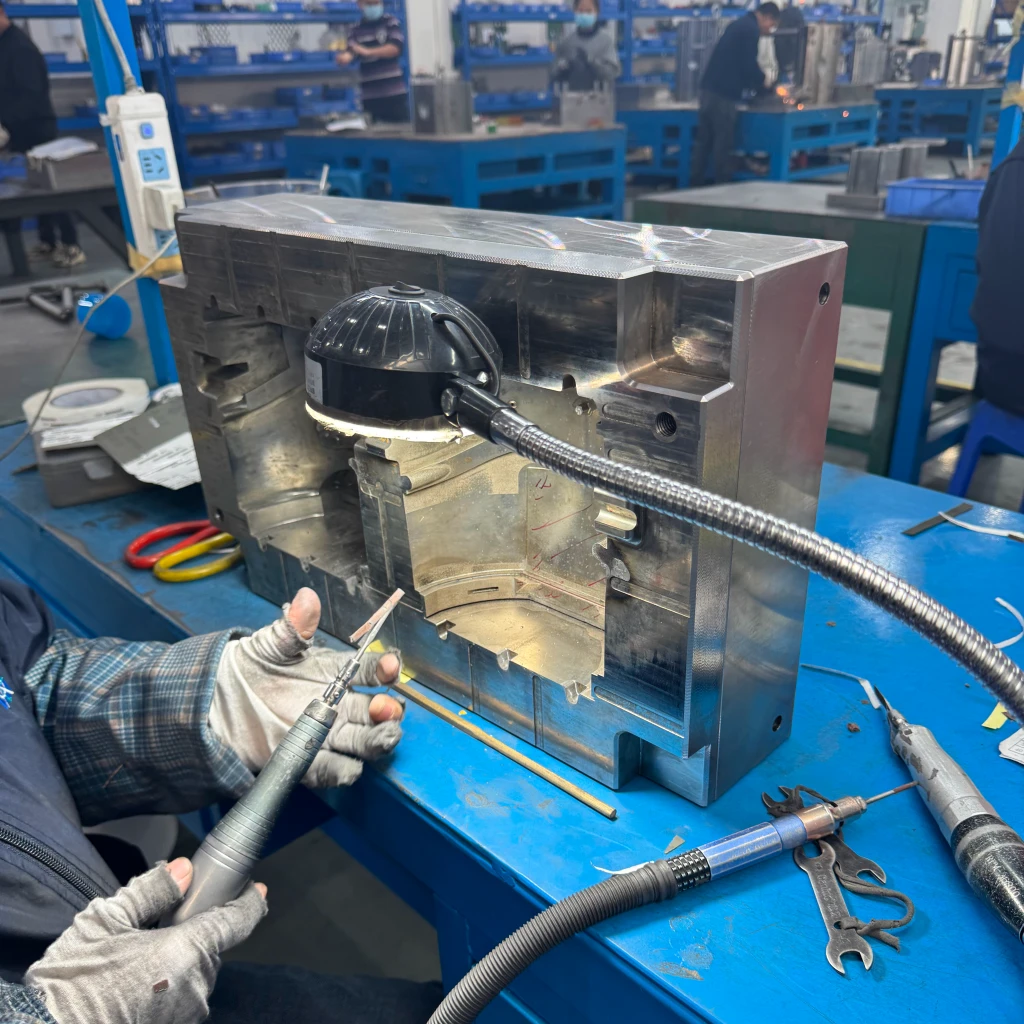
In OEM homeware production, the mould is not just a tool—it is the foundation of product quality, cost control, and long-term scalability.
For brands and buyers working with OEM suppliers, understanding OEM homeware manufacturing mould capabilities is essential before committing to mass production.
This article explains how moulds are used in OEM homeware manufacturing, why in-house tooling matters, and how professional mould capability directly impacts your final product.
What Is an OEM Homeware Manufacturing Mould?
An OEM homeware manufacturing mould is a precision-engineered tool used to form plastic or silicone components during injection molding or compression processes.
In homeware projects, moulds determine:
Product shape and dimensional accuracy
Surface finish and texture quality
Structural strength and durability
Production efficiency and repeatability
A well-designed mould ensures consistent output across thousands—or millions—of units.
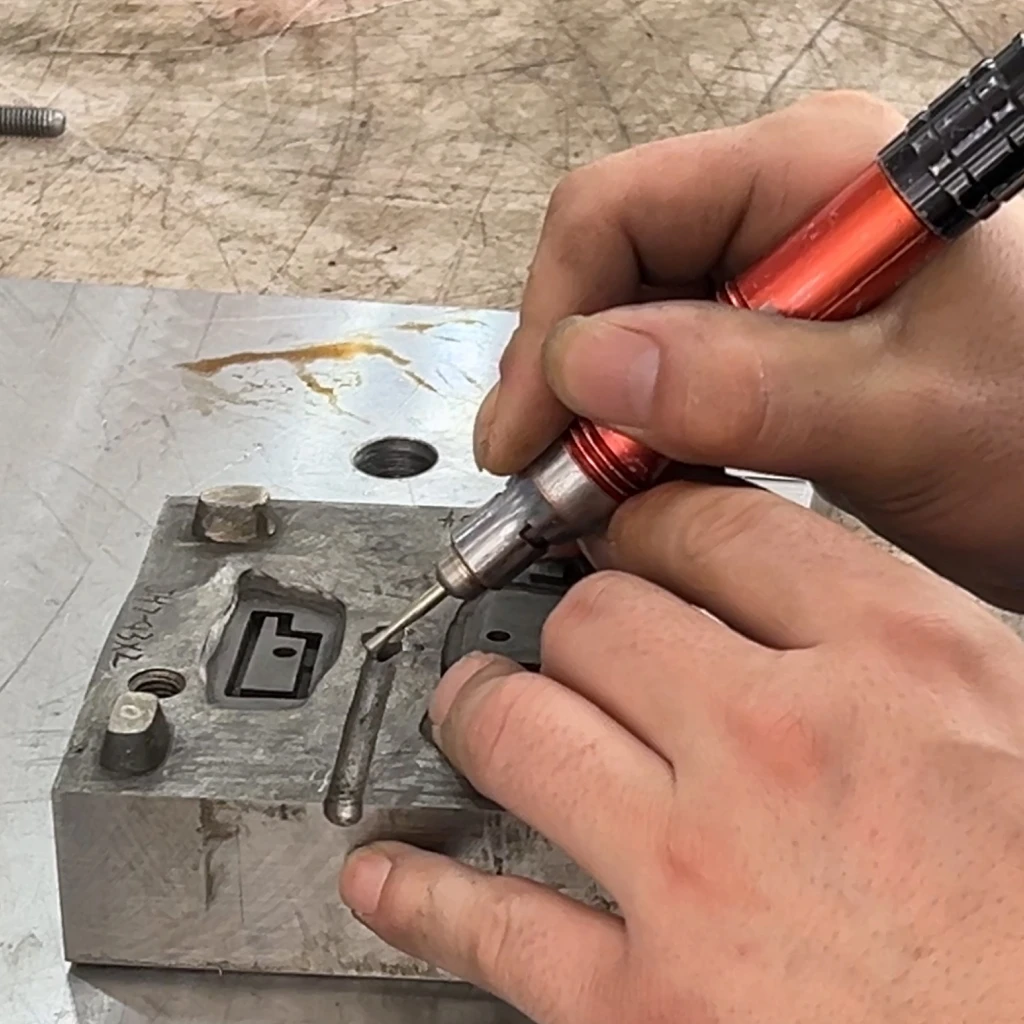
Why Mould Quality Matters in OEM Homeware Manufacturing
In OEM homeware manufacturing, mould quality directly affects both product performance and business outcomes.
Poor mould design often leads to:
Warping or inconsistent dimensions
Visible surface defects
High defect rates during mass production
Increased maintenance costs and downtime
For brands, these issues translate into delayed launches, unstable quality, and margin erosion.
This is why experienced buyers always evaluate the OEM homeware manufacturing mould capability before choosing a factory.
In-House vs Outsourced Mould Making: A Critical Difference
One of the biggest differences between OEM factories lies in whether mould making is handled internally or outsourced.
Outsourced Moulds (Higher Risk)
Longer development cycles
Communication gaps between design and tooling
Limited control over mould precision
Higher IP exposure
In-House OEM Homeware Manufacturing Mould Workshops
Factories with in-house tooling can:
Optimize designs for manufacturability (DFM)
Shorten mould lead times
Quickly modify or repair moulds
Protect customer intellectual property
Internal link placement
To see how in-house tooling works in practice, view our
OEM homeware molding factory with in-house mould capability
Monthly Mould Capacity and Production Scalability
For OEM homeware projects, mould capacity is a strong indicator of factory reliability.
Professional OEM manufacturers typically:
Develop dozens of mould sets per month
Support both internal production and external mould orders
Handle complex multi-cavity and precision moulds
A factory with stable mould output can scale your product faster and support long-term cooperation.
How OEM Homeware Manufacturing Moulds Support Customization
OEM mould development enables true product differentiation.
Through custom moulds, brands can:
Create exclusive product structures
Customize functional components
Integrate brand-specific design elements
Avoid copycat products in the market
This is especially important for brands moving beyond generic retail homeware.
Mould Design, Testing, and Lifecycle Management
In professional OEM homeware manufacturing, moulds go through strict processes:
Mould design and engineering review
CNC machining and precision processing
Trial runs and sample validation
Ongoing maintenance during production
Proper lifecycle management ensures mould durability and consistent output across long production runs.
Who Should Care Most About OEM Homeware Manufacturing Moulds?
This topic is especially relevant for:
Homeware brands building exclusive product lines
Amazon and Shopify sellers avoiding price wars
Retail buyers requiring stable long-term supply
IP-based or design-driven homeware projects
If product consistency and scalability matter, mould capability should never be overlooked.
Final Thoughts
OEM homeware manufacturing moulds are the backbone of successful homeware production.
They influence quality, cost efficiency, delivery speed, and brand protection.
By working with a factory that operates its own mould workshop, brands gain stronger control, faster development, and safer long-term cooperation.
If you are planning OEM homeware manufacturing, evaluating mould capability is not optional—it is essential.
If you wanna learn more,you can check our YouTube to see more videos to know more about OEM mold.
Q: What is an OEM homeware manufacturing mould?
A: It is a precision tool used in injection molding or forming processes to produce consistent and accurate homeware components during OEM manufacturing.
Q: Why is in-house mould making important for OEM homeware projects?
A: In-house mould making improves precision, shortens lead time, protects IP, and allows faster adjustments during production.
Q: Can OEM factories produce moulds for external orders?
A: Yes. Factories with strong tooling capacity often support both internal production and external OEM mould orders.