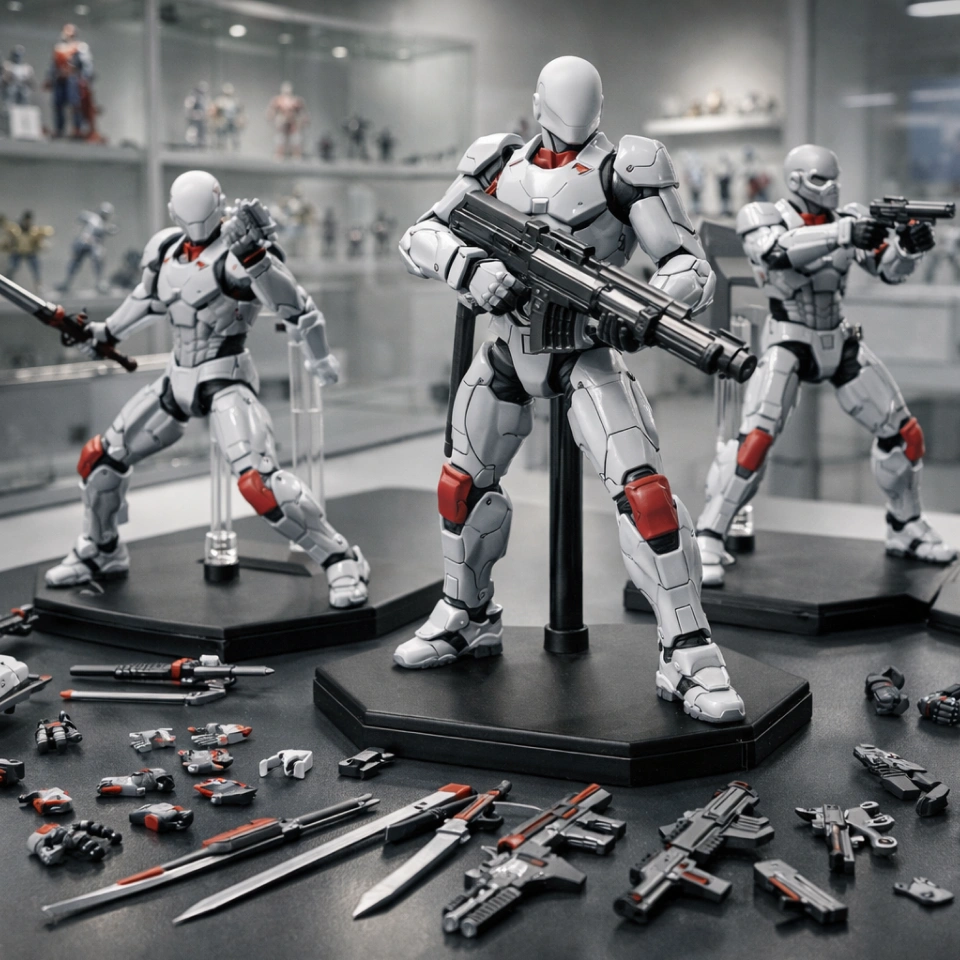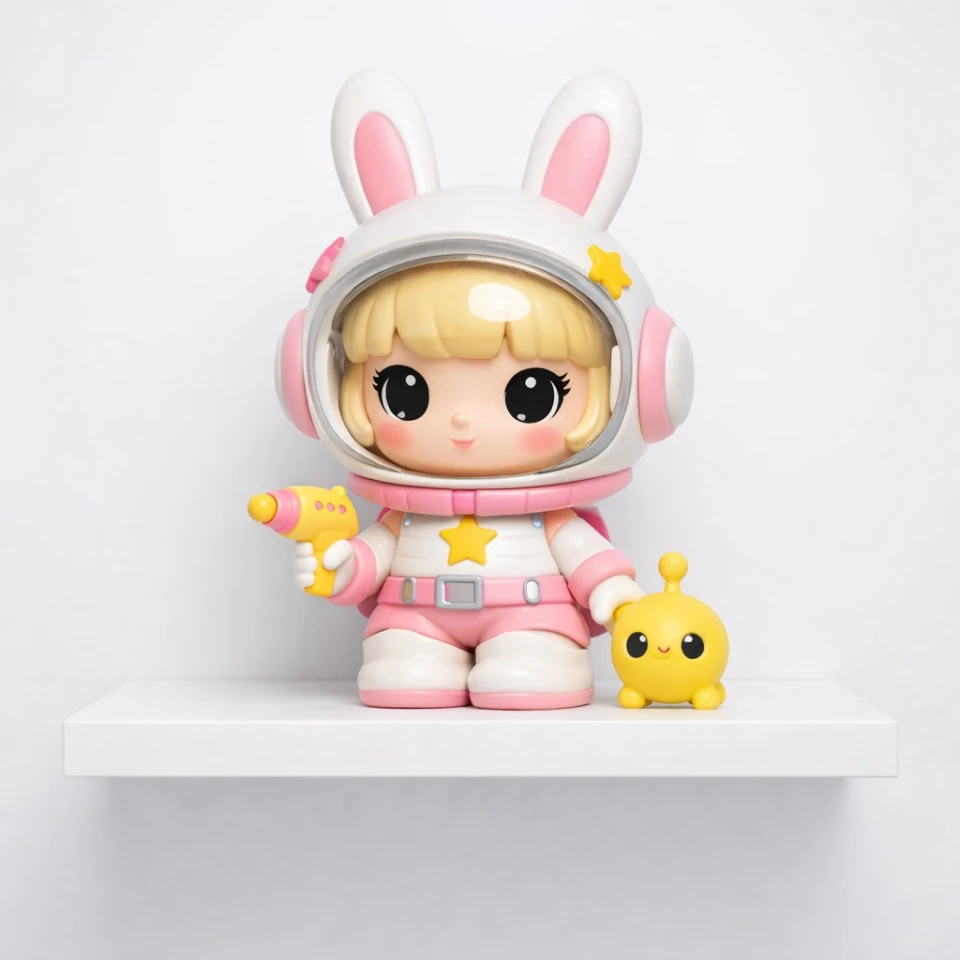

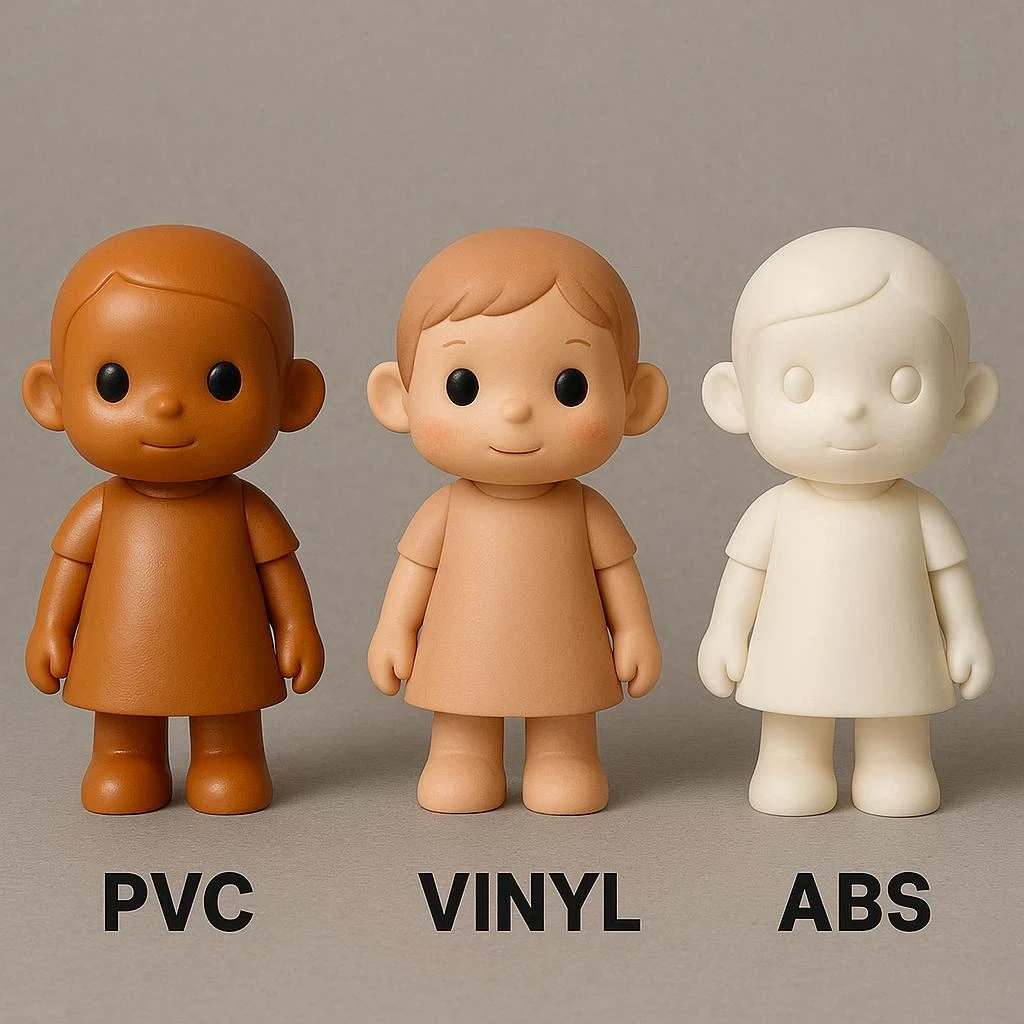
When developing collectible figures or custom toys, one of the most important decisions is material selection. PVC vs vinyl vs ABS figures are the three most commonly used materials in the global toy and figure industry — yet they are often misunderstood or used interchangeably.
This guide explains the key differences between PVC, vinyl, and ABS figures, how each material is used in manufacturing, and how brands choose the right material based on design, budget, and production scale.
Overview: PVC vs Vinyl vs ABS Figures
| Material | Full Name | Texture | Common Use | Production Style |
|---|---|---|---|---|
| PVC | Polyvinyl Chloride | Semi-rigid / Flexible | Anime figures, blind box toys | Injection molding |
| Vinyl | Soft Vinyl (PVC-based) | Soft / Hollow | Designer & art toys | Rotational molding |
| ABS | Acrylonitrile Butadiene Styrene | Hard / Rigid | Structural parts, model kits | Injection molding |
Each material serves a distinct purpose and is chosen based on the product’s functional and aesthetic requirements.
What Are PVC Figures?
PVC figures are made from polyvinyl chloride, a versatile thermoplastic widely used in toy manufacturing.
Key Characteristics of PVC Figures
- High detail reproduction
- Smooth surface suitable for painting
- Flexible or semi-rigid structure
- Cost-effective for mass production
Common Applications
- Anime and game character figures
- Blind box collectibles
- Promotional and licensed toys
PVC is the most widely used material for detailed collectible figures, especially when consistent quality is required across large production runs.
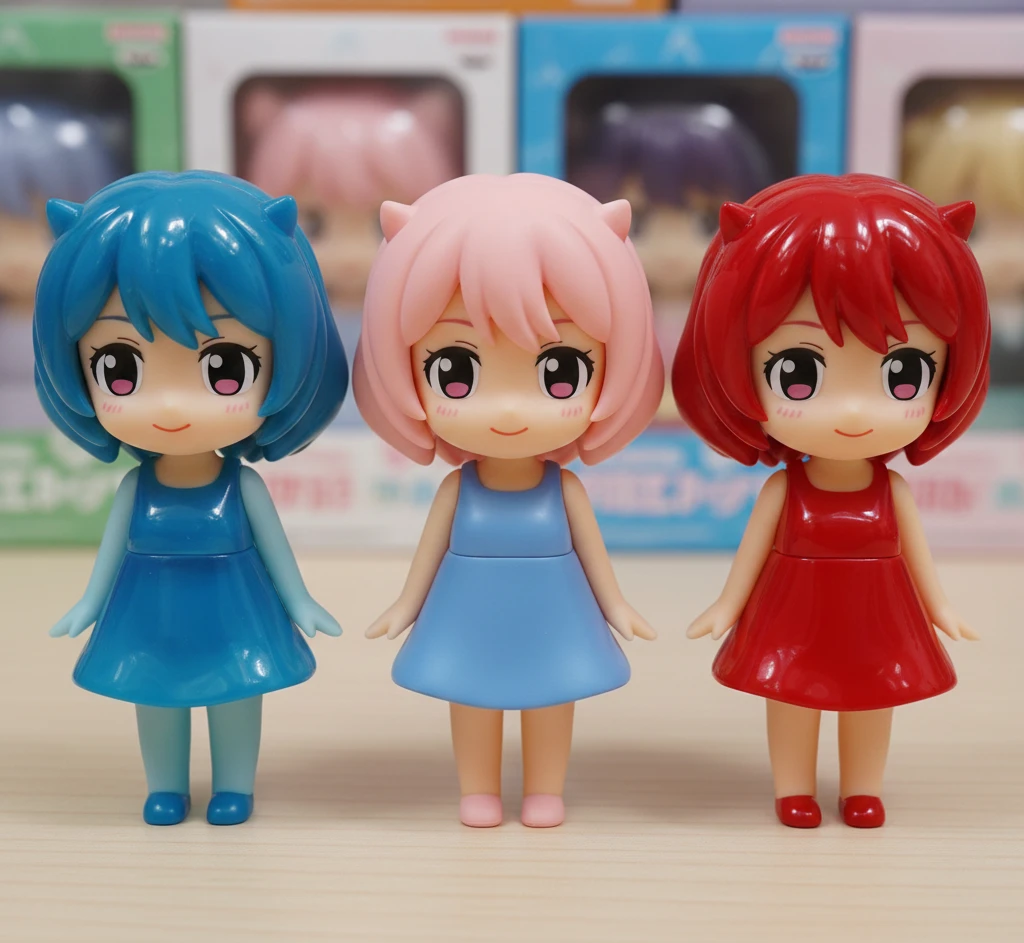
What Are Vinyl Figures?
Vinyl figures are typically made from soft vinyl, a PVC-based formulation processed differently from standard PVC.
Key Characteristics of Vinyl Figures
- Softer and more flexible texture
- Usually hollow inside
- Thicker walls and simplified structures
- Often hand-painted or limited edition
Common Applications
- Designer toys
- Art collectibles
- Limited-edition figures
Vinyl figures prioritize artistic style and tactile feel over fine structural detail.
What Are ABS Figures?
ABS figures are made from acrylonitrile butadiene styrene, a hard plastic commonly used for mechanical or load-bearing parts.
Key Characteristics of ABS Figures
- High rigidity and strength
- Excellent dimensional stability
- Lower flexibility
- Less suitable for complex sculpted surfaces
Common Applications
- Jointed parts
- Bases and stands
- Model kits and mechanical toys
ABS is rarely used alone for full collectible figures but is essential for structural support components.
Manufacturing Differences
Although PVC, vinyl, and ABS are all plastics, their manufacturing processes differ significantly, which directly affects cost, detail, and scalability.
PVC Figure Manufacturing
PVC figures are typically produced through injection molding. Molten PVC material is injected into precision steel molds, allowing manufacturers to reproduce fine sculpted details consistently.
Key advantages of PVC injection molding:
- High repeatability for mass production
- Excellent detail reproduction
- Suitable for multi-part assemblies
- Compatible with complex painting and finishing processes
This makes PVC the preferred choice for anime figures, blind box collectibles, and licensed products requiring consistent quality.
Vinyl Figure Manufacturing
Vinyl figures are usually produced using rotational molding. The mold rotates while heated, forming a hollow figure with thicker walls.
Characteristics of vinyl manufacturing:
- Hollow internal structure
- Lower mold pressure
- Thicker, simplified forms
- Ideal for limited editions and art toys
Because of this process, vinyl figures focus more on shape and artistic style than on fine surface detail.
ABS Figure Manufacturing
ABS components are manufactured through high-precision injection molding under tighter tolerances.
ABS manufacturing is optimized for:
- Structural strength
- Dimensional accuracy
- Mechanical performance
ABS parts are commonly used for joints, bases, and internal supports rather than full sculpted figures.
Which Material Is Best for Custom Figures?
There is no single “best” material — the right choice depends on the project’s design goals, budget, and production volume.
When to Choose PVC
- You need detailed sculpting and accurate paint application
- Your project requires medium to large-scale production
- Consistent quality across thousands of units is critical
When to Choose Vinyl
- Artistic style and tactile feel are priorities
- The figure design is simple and bold
- You plan limited or collectible releases
When to Choose ABS
- Structural strength is required
- The figure includes joints or mechanical elements
- High rigidity and durability are essential
In many professional projects, manufacturers recommend combining materials, such as PVC for the body and ABS for joints or bases.
PVC, Vinyl, and ABS in OEM & ODM Manufacturing
In OEM and ODM projects, material selection affects:
- Mold cost
- Production cycle
- Paint process
- Quality control standards
Experienced manufacturers evaluate design files, structure, and intended market before recommending the optimal material combination.
How Brands Choose Materials in Real Projects
In real-world OEM and ODM projects, material selection is rarely based on a single factor. Brands typically consider:
- Target market and price range
- Design complexity and part structure
- Production volume and scalability
- Packaging and logistics requirements
Professional manufacturers evaluate 3D files and structural designs before recommending an optimal material solution. This engineering-driven approach helps avoid issues such as deformation, paint defects, or structural failure during mass production.
Final Thoughts
PVC, vinyl, and ABS figures each serve a distinct role in the toy and collectible industry. Understanding their differences allows brands and creators to make informed decisions during product development.
By selecting the appropriate material — or a hybrid combination — and working with an experienced manufacturing partner, it is possible to achieve the right balance between design quality, durability, and production efficiency.
1.What is the main difference between PVC vs vinyl vs ABS figures?
The main difference between PVC vs vinyl vs ABS figures lies in material rigidity, manufacturing process, and application. PVC is semi-rigid and ideal for detailed collectible figures. Vinyl is softer and usually hollow, commonly used for designer art toys. ABS is hard and rigid, mainly used for structural parts such as joints and bases.
2.Are PVC figures better than vinyl figures?
When comparing PVC vs vinyl vs ABS figures, PVC figures are generally better for high-detail mass production projects. Vinyl figures are preferred for artistic, limited-edition releases with simplified shapes and thicker walls.
3.Why is ABS rarely used for full collectible figures?
In the discussion of PVC vs vinyl vs ABS figures, ABS is typically used for structural support rather than full sculpted bodies. ABS provides rigidity and dimensional stability but lacks the flexibility and surface finish quality required for complex character designs.
4.Can PVC and ABS be used together in one figure?
Yes. In professional manufacturing projects involving PVC vs vinyl vs ABS figures, manufacturers often combine PVC for the body and ABS for joints, bases, or mechanical components to balance flexibility and strength.
5.Which material is most cost-effective for large production runs?
Among PVC vs vinyl vs ABS figures, PVC is typically the most cost-effective for medium to large production volumes due to its injection molding efficiency and consistent surface quality.
6.Are vinyl figures made from the same material as PVC figures?
Vinyl figures are technically PVC-based, but processed differently. In comparisons of PVC vs vinyl vs ABS figures, vinyl usually refers to soft vinyl produced through rotational molding, while PVC figures are typically injection molded.
7.How do brands choose between PVC vs vinyl vs ABS figures?
Brands evaluate production volume, design complexity, paint requirements, structural needs, and cost before selecting between PVC vs vinyl vs ABS figures. Professional manufacturers often recommend hybrid solutions to optimize performance and aesthetics.